People
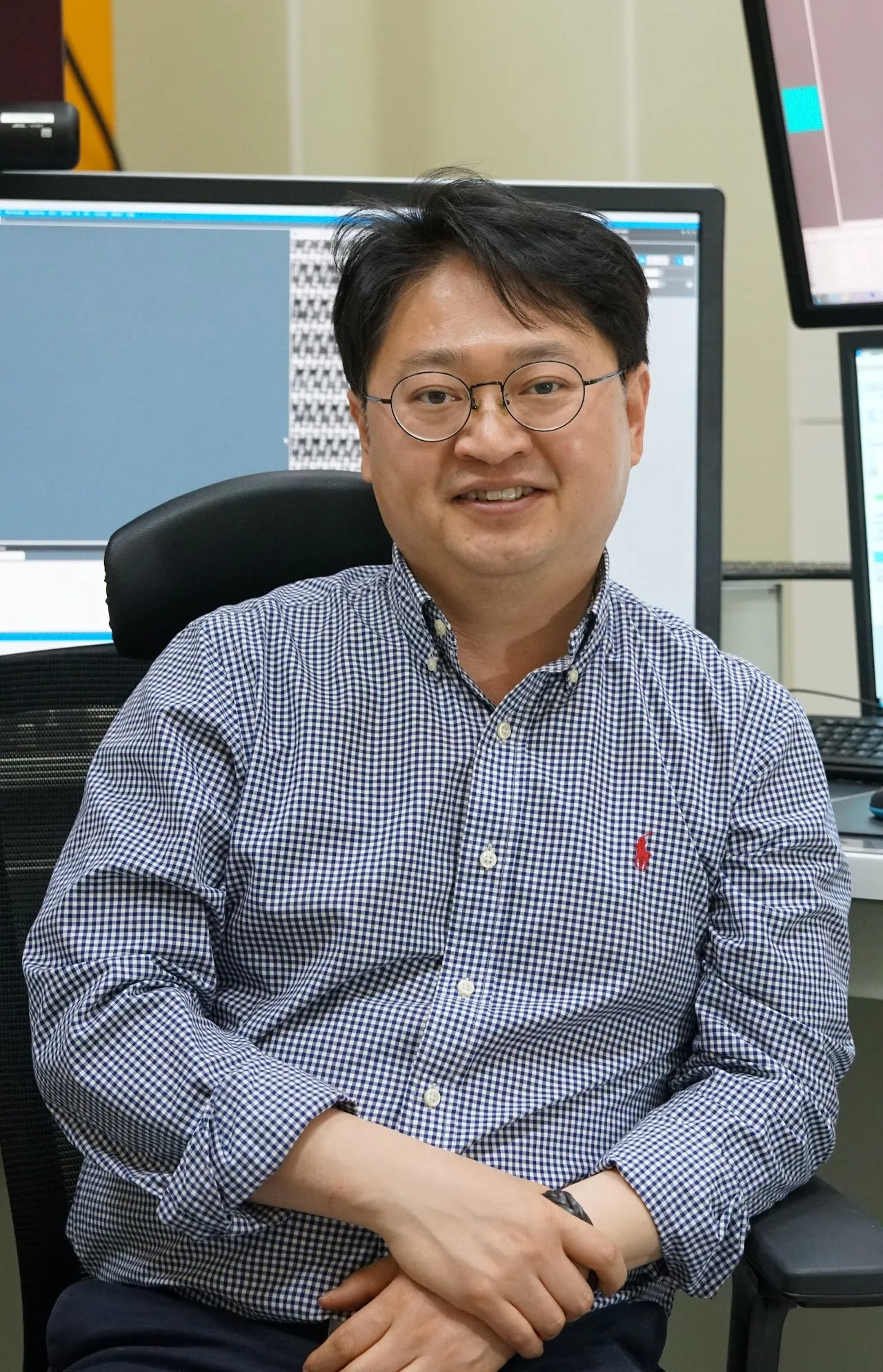
The SKKU-STEM lab
Principal Investigator
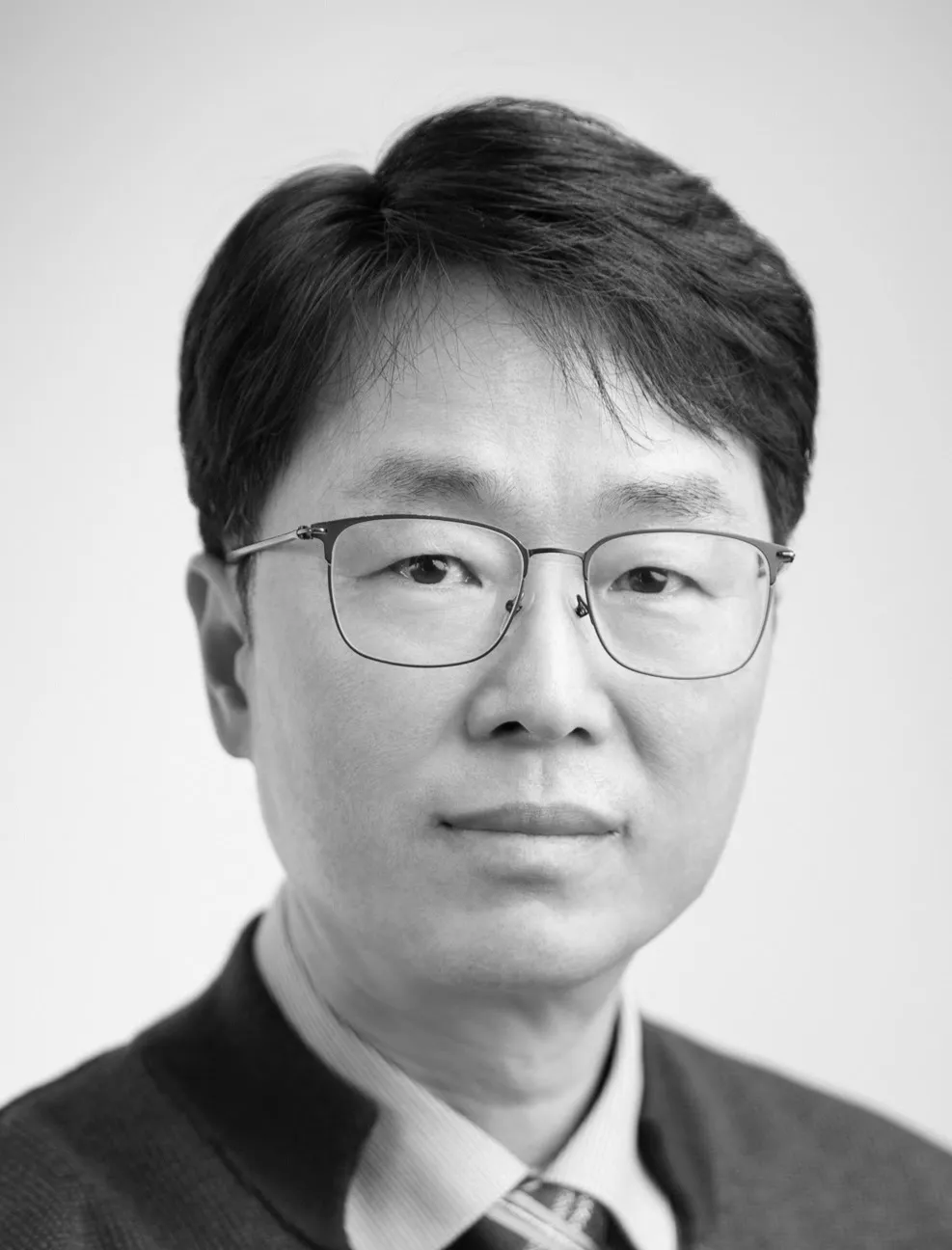
김영민 Young-Min Kim
Professor
Head of Department of Energy Science
Sungkyunkwan University
Leads the SKKU-STEM Laboratory. Research integrates aberration-corrected scanning transmission electron microscopy and electron spectroscopy with machine learning, applied to atomic-scale problems in energy materials. Joined SKKU as Assistant Professor in 2016, after a postdoctoral fellowship at Oak Ridge National Laboratory and a Principal Researcher position at the Korea Basic Science Institute.
Lab Assistant
-
노스
Nous
AI Research Assistant
AI-generated video & voice

Student counseling only · 학생 상담 전용
Answered by Nous (AI); only serious matters go to the professor.
Postdoctoral Researchers 1
-
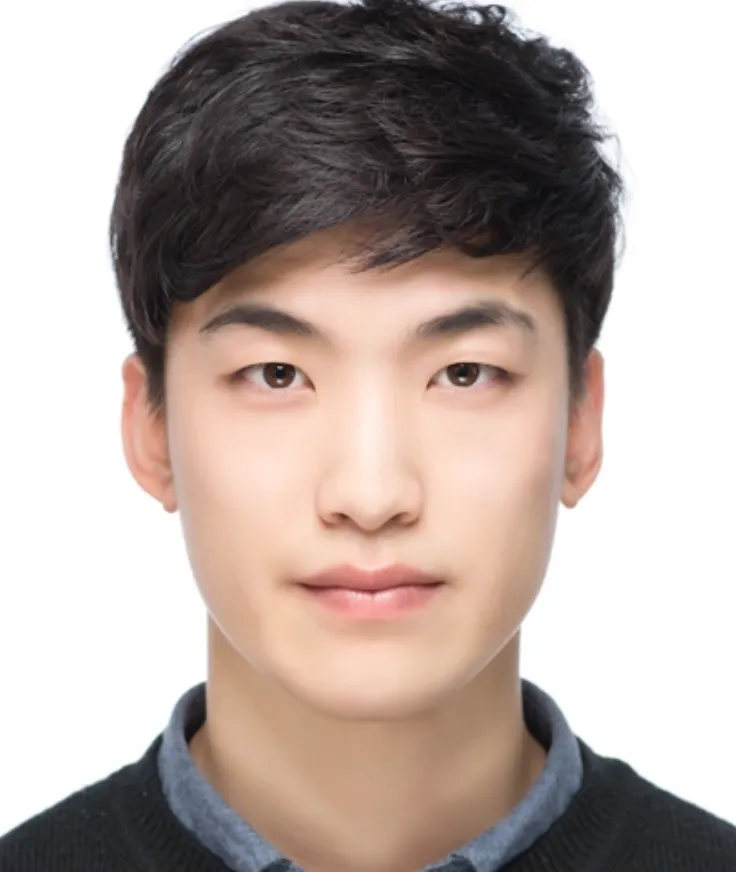
정민형
Min-Hyoung Jung, Ph.D.
Postdoctoral researcher
Integrated course · 2019–2025
Ph.D. Candidates 12
-
박은별
Eun-Byeol Park
Integrated course
2021–present
6년차 12기

-
전예린
Yerin Jeon
Integrated course
2023–present
4년차 8기

-
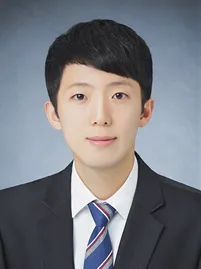
김항식
Hang Sik Kim
Integrated course
2023–present
4년차 7기
Co-advisor: Prof. Ki Kang Kim (SKKU)
-
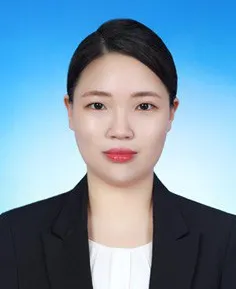
최다혜
Dahye Choi
Ph.D. course
2025–present
2년차 4기 산학
-
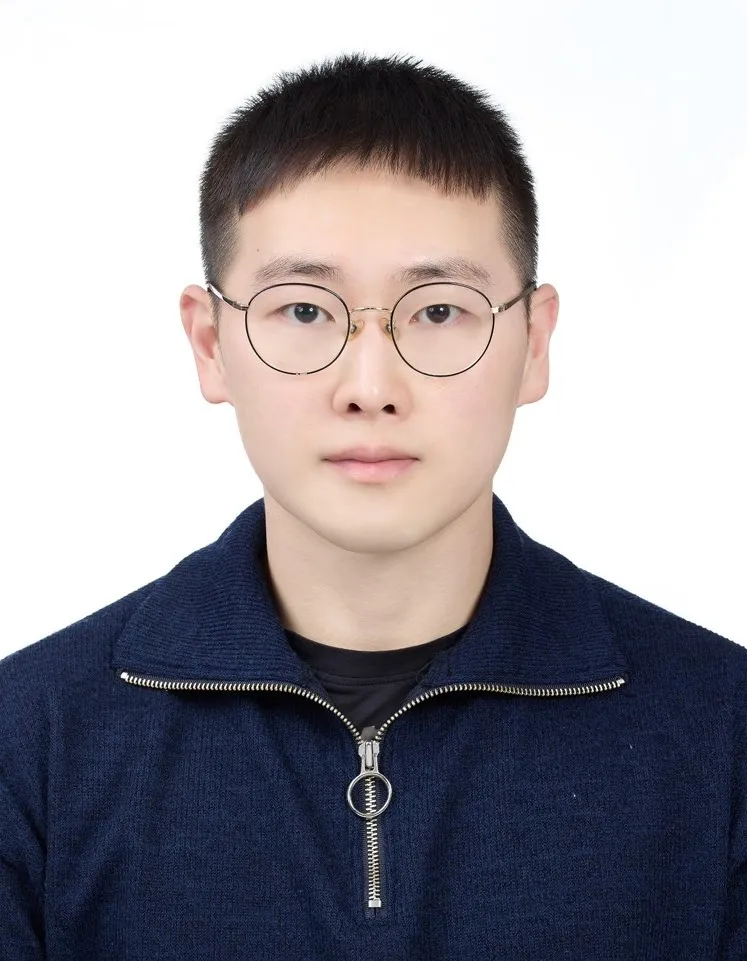
이하승
Ha-Seung Lee
Integrated course
2025–present
2년차 4기
-
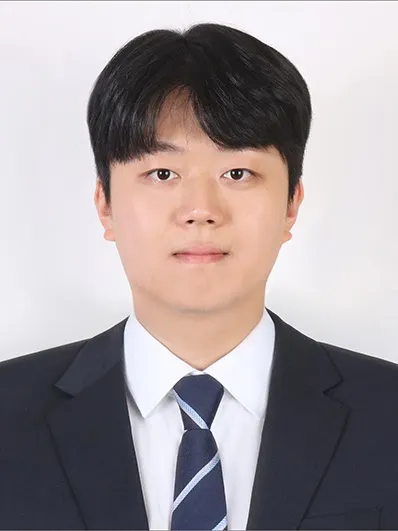
김태준
Tae Joon Kim
Integrated course
2025–present
2년차 4기
-
이왕빈
Wang Been Lee
Integrated course
2025–present
2년차 4기

-
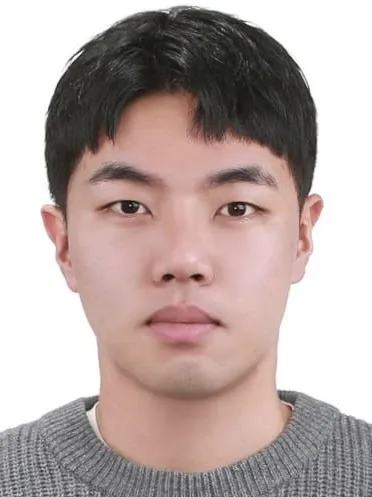
박진우
Jinwoo Park
Integrated course
2026–present
1년차 2기
-
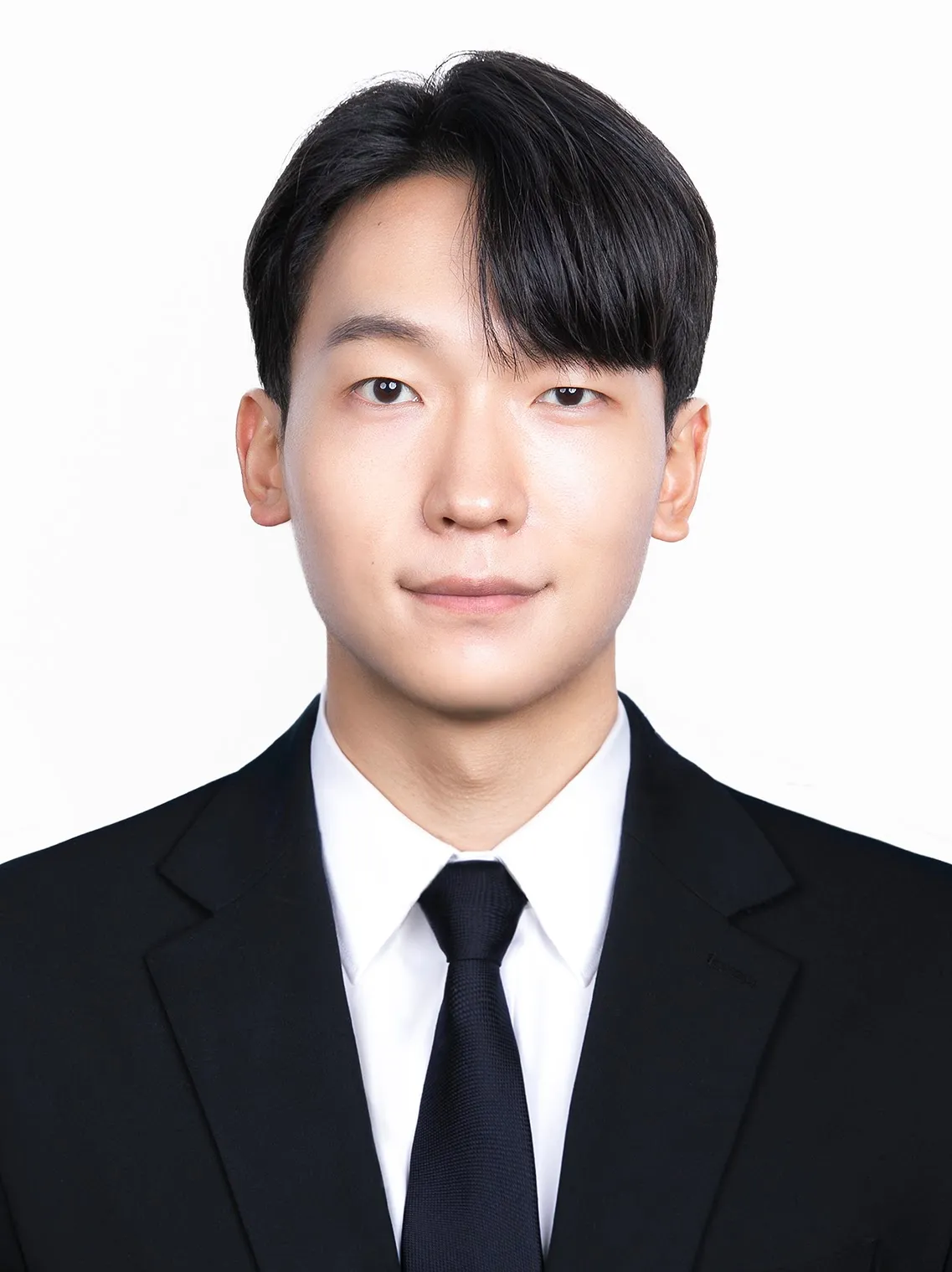
윤주성
Jooseong Yoon
Integrated course
2026–present
1년차 2기
-
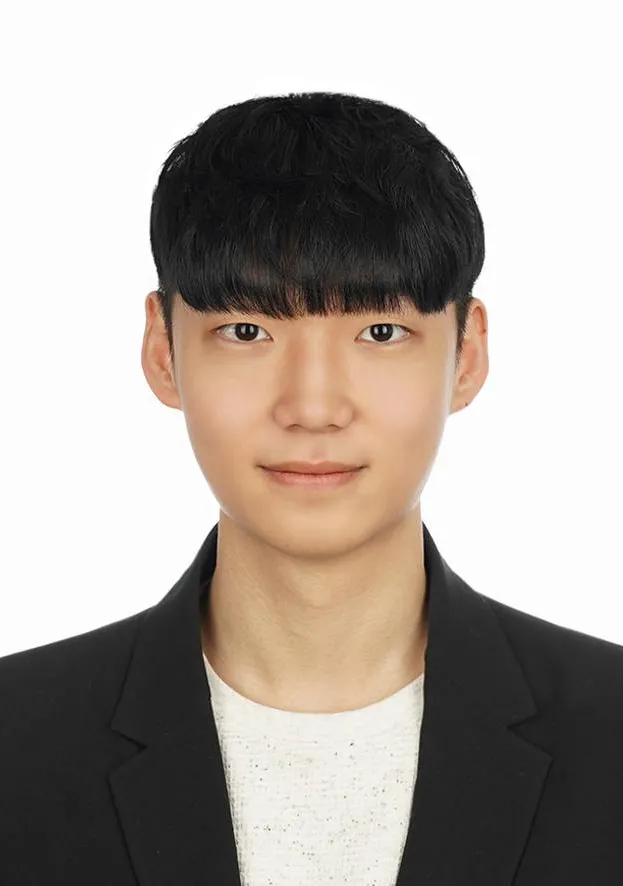
박준상
Jun-Sang Park
Integrated course
2026–present
1년차 2기
-
노서정
Seojeong Ro
Integrated course
2026–present
1년차 2기

-
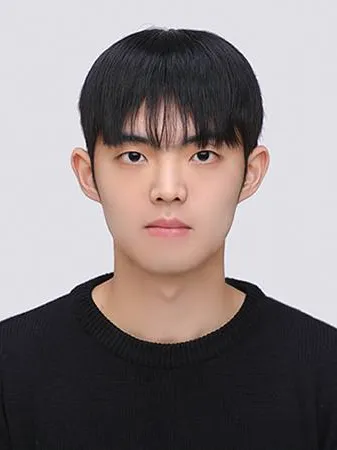
오윤기
Yoonki Oh
Integrated course
2026–present
1년차 1기
Master course students 1
-
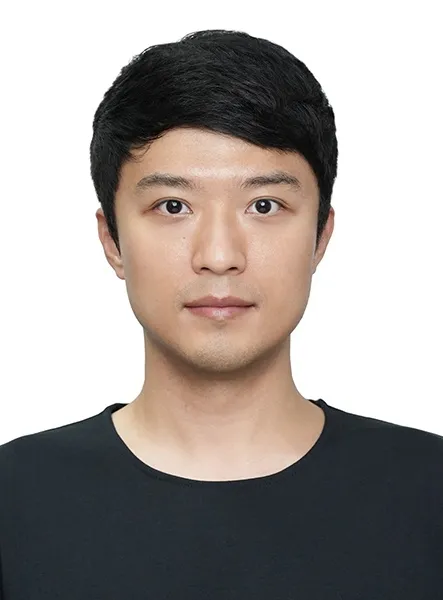
정호현
Hohyeon Jung
MS course
2026–present
1년차 2기 산학
Undergraduate Students 0
Alumni 16
-
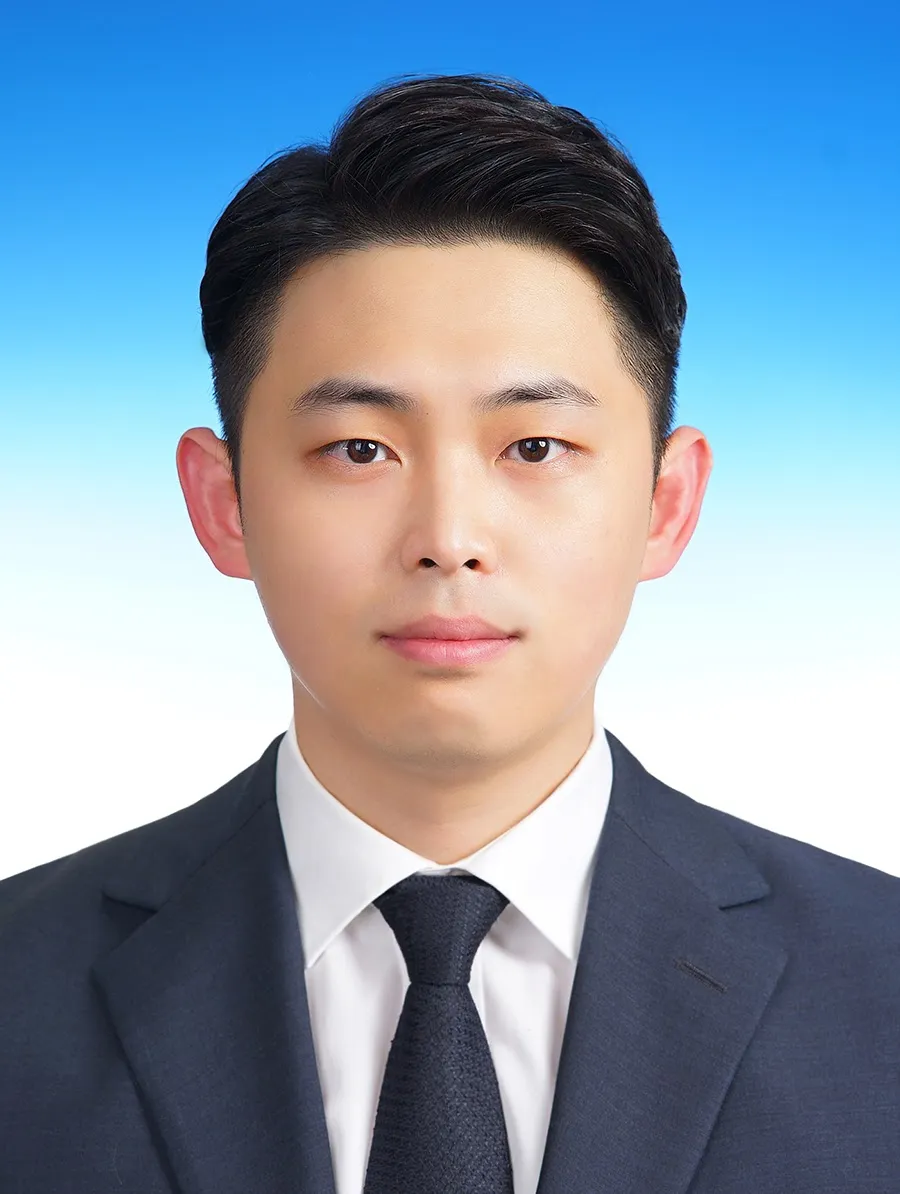
양대희
Daehee Yang, Ph.D.
Ph.D. (2020-2026)
SEMES (2026-present)
-
김선제
Seon Je Kim, Ph.D.
Integrated course · 2020–2026
Lam Research (2026–present)
-
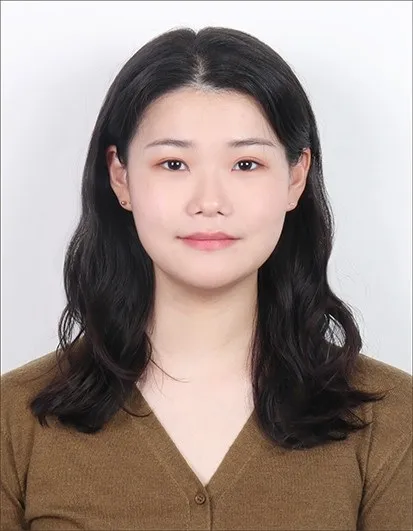
허유성
Yuseong Heo
Master's degree · 2023–2026
SK Hynix (2026–present)
-
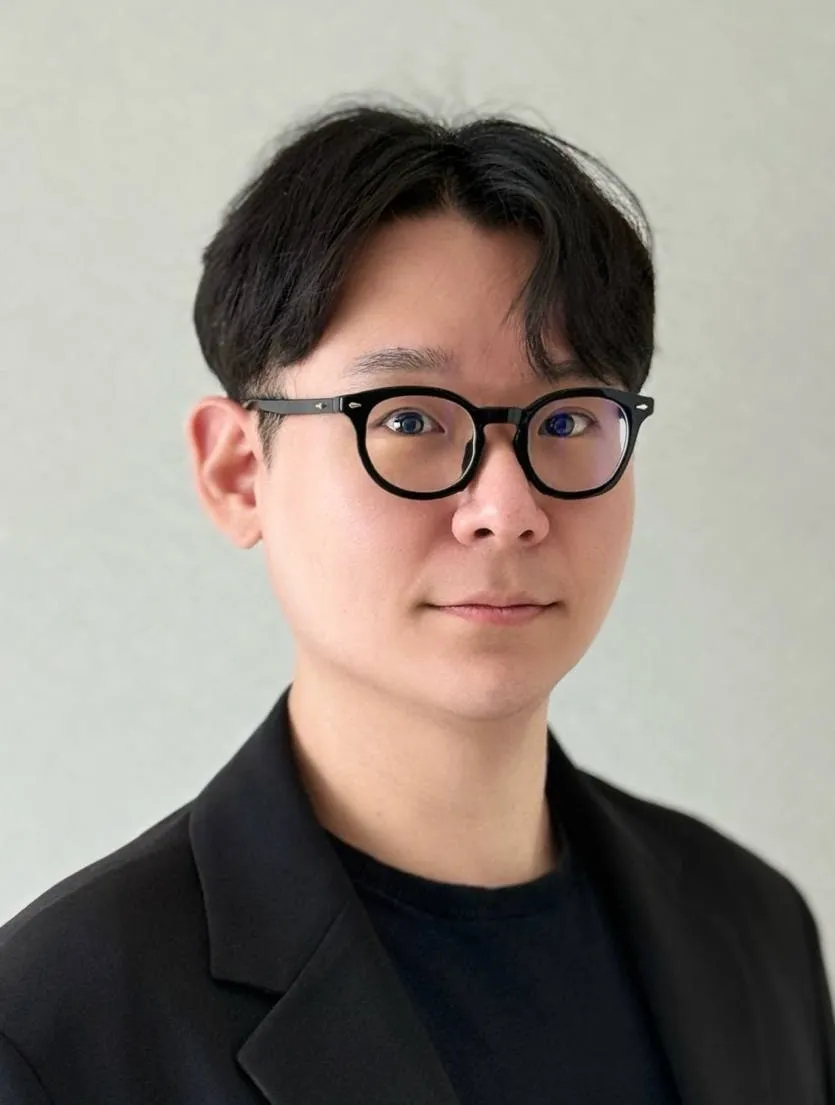
이희범
Hee-Beom Lee, Ph.D.
Ph.D. course · 2020–2025
Lam Research (2025–present)
-
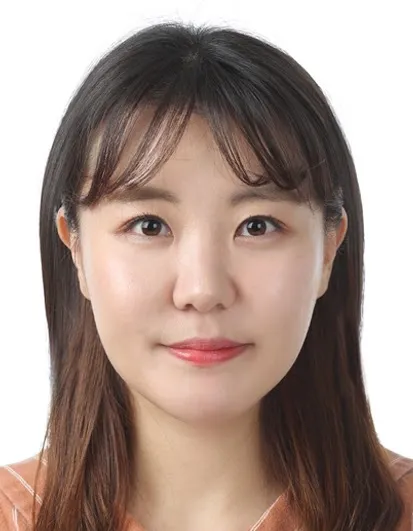
주현아
Hyeon-Ah Ju, Ph.D.
Integrated course · 2019–2025
KAIST (2025–present)
-
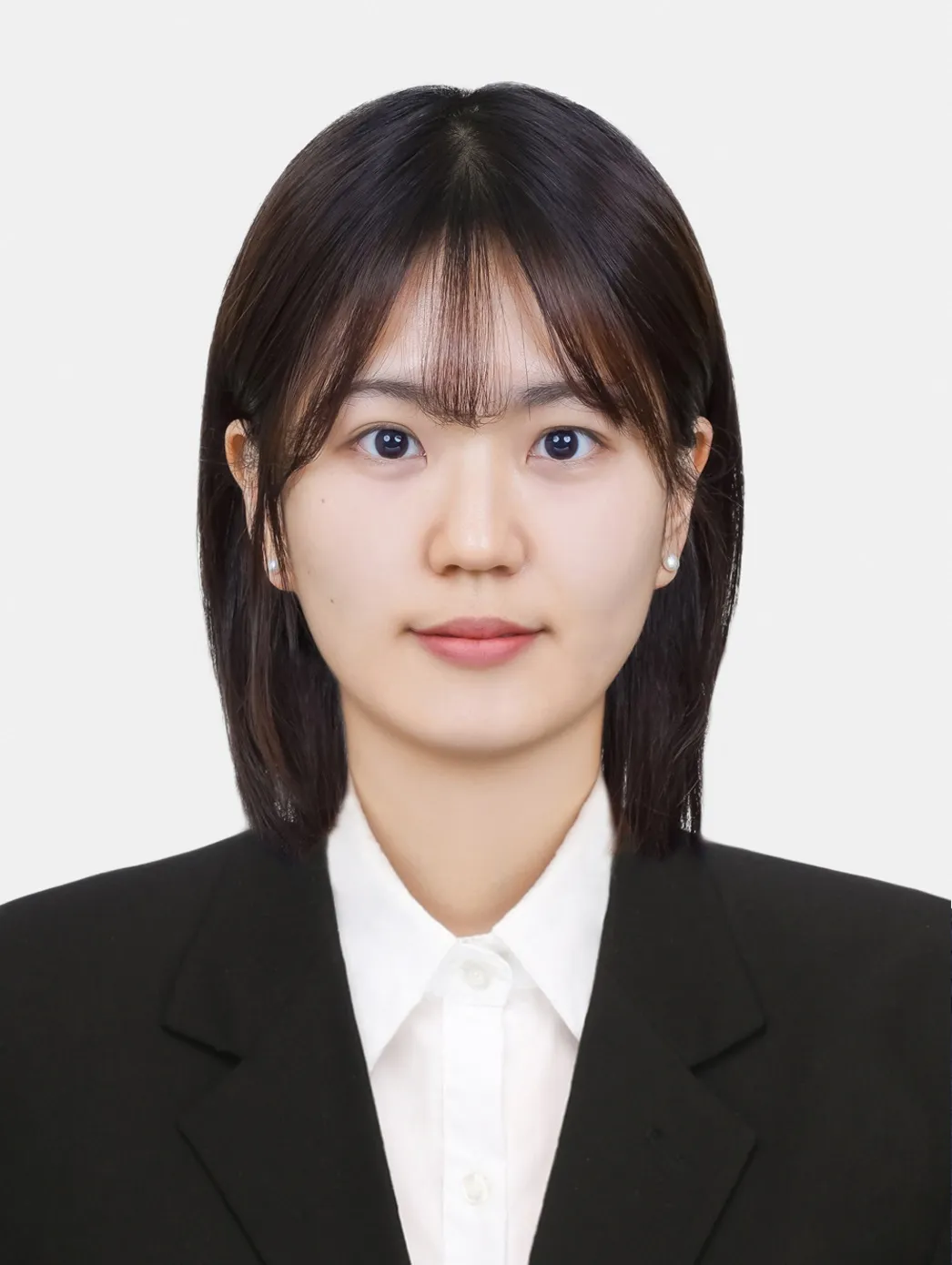
최민영
Min-Yeong Choi
Master's degree · 2023–2025
National Nanofab Center (NNFC, 2026–present)
-
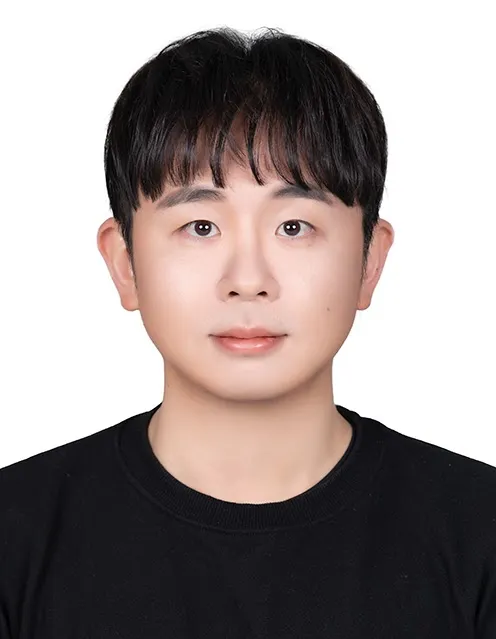
양상혁
Sang-Hyeok Yang, Ph.D.
Integrated course · 2019–2025
Korea Research Institute of Standards and Science (KRISS, 2026–present)
-
최우선
Wooseon Choi, Ph.D.
MS-PhD Integrated course · 2017–2024
Samsung Electronics (2024–present)
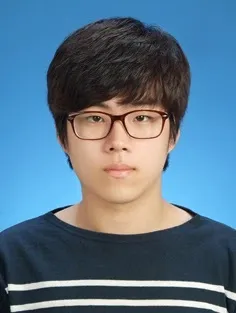
-
이양진
Yangjin Lee, Ph.D.
Research Professor · 2024
Korea Institute of Science and Technology (KIST, 2025–present)
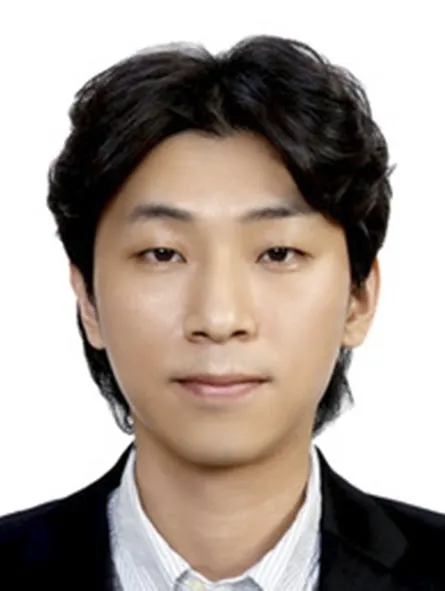
-
김용인
Yong In Kim
Researcher · 2018–2024
ENF Technology (2024–present)
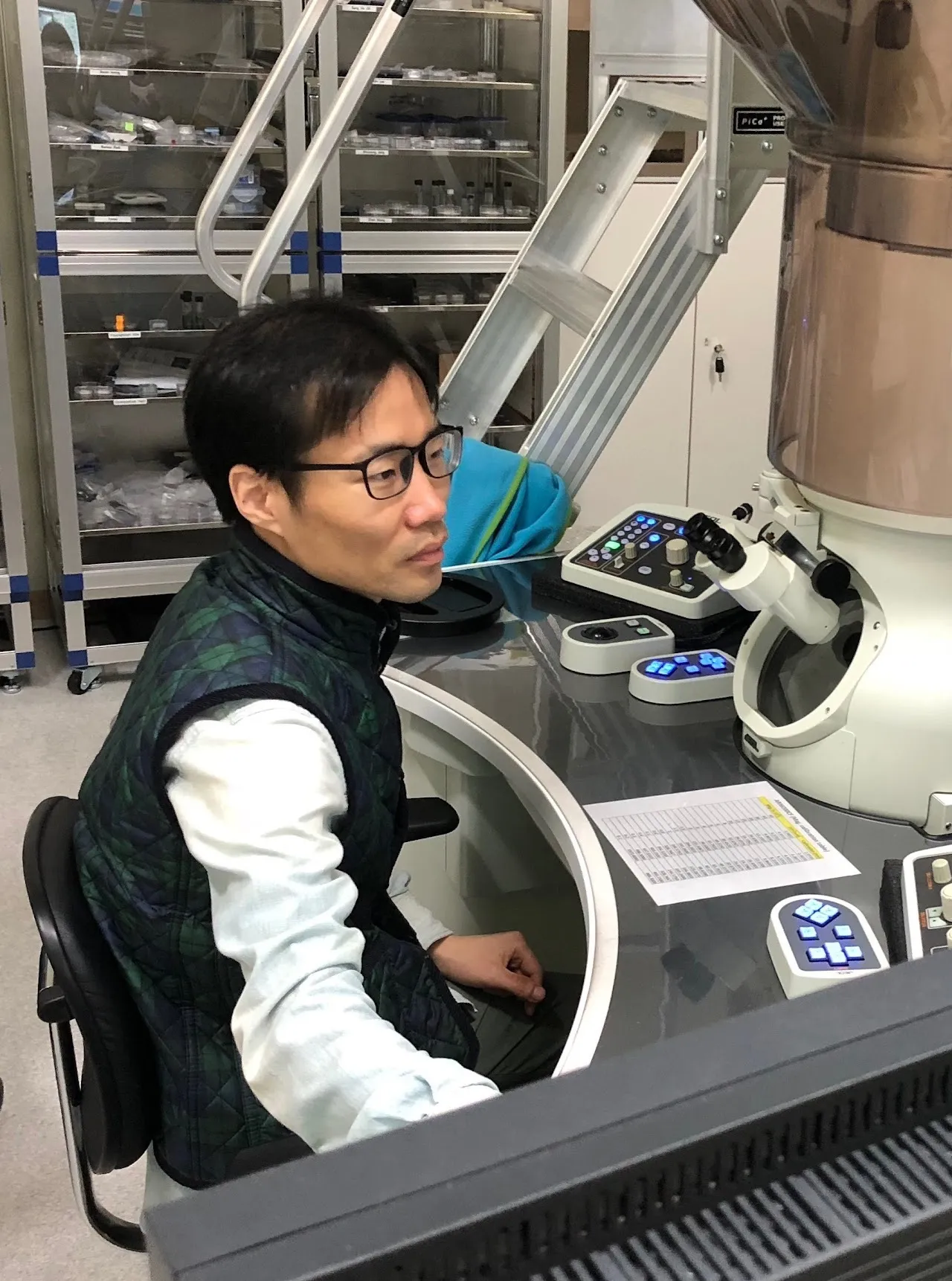
-
김영훈
Young-Hoon Kim, Ph.D.
MS-PhD Integrated course · 2018–2024
Oak Ridge National Laboratory, USA (2024–present)
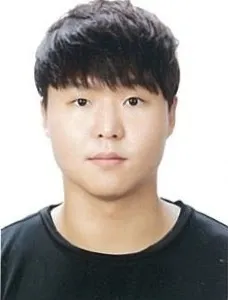
-
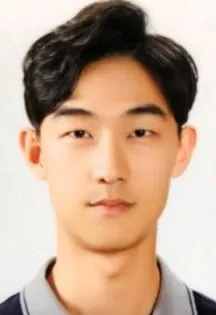
장우성
Woo-Sung Jang, Ph.D.
MS-PhD Integrated course · 2017–2023
Samsung Electronics (2023–present)
-
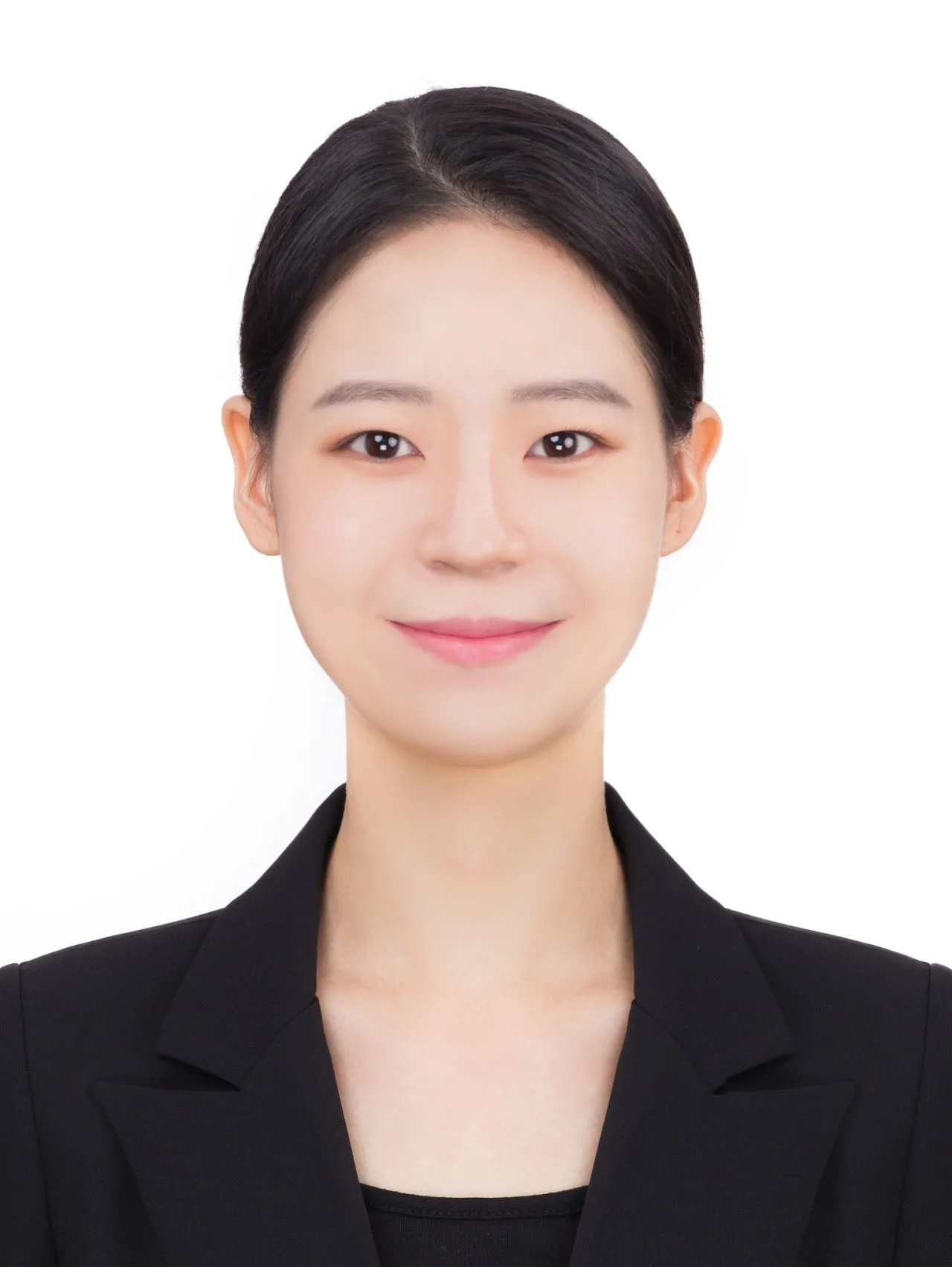
홍정아
Jung A. Hong
Master's degree · 2020–2022
LG Energy Solution (2022–present)
-
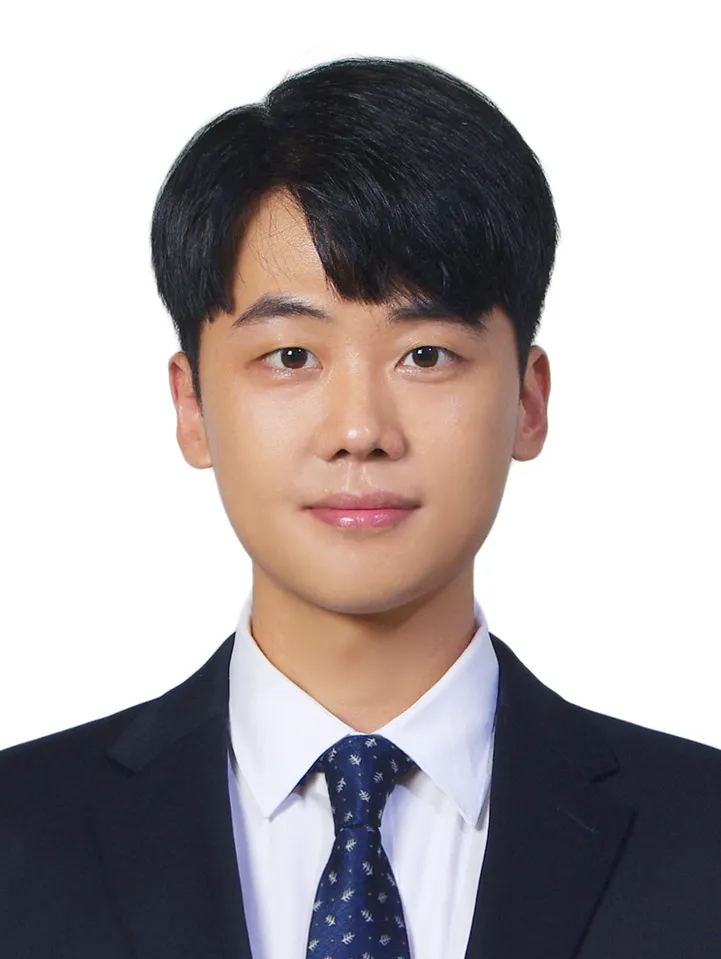
민태원
Taewon Min, Ph.D.
Postdoctoral researcher · 2021–2022
SK Hynix (2022–present)

-
한경탁
Gyeongtak Han
Master's degree · 2018–2020
LG Energy Solution (2024–present); Samsung Electronics (2020–2023)
-
심재현 교수
Jae-Hyun Shim, Ph.D.
Research Professor · 2017
Dong-shin University, Assistant Professor (2018–present)