Skip to content
SKKU-STEM Laboratory

Research

Selected work

Research from the SKKU-STEM Lab — methods at the intersection of scanning transmission electron microscopy, electron spectroscopy, and machine learning, applied to energy materials.

“A shuttle guiding us to atomic world.”

2026

2025

2024

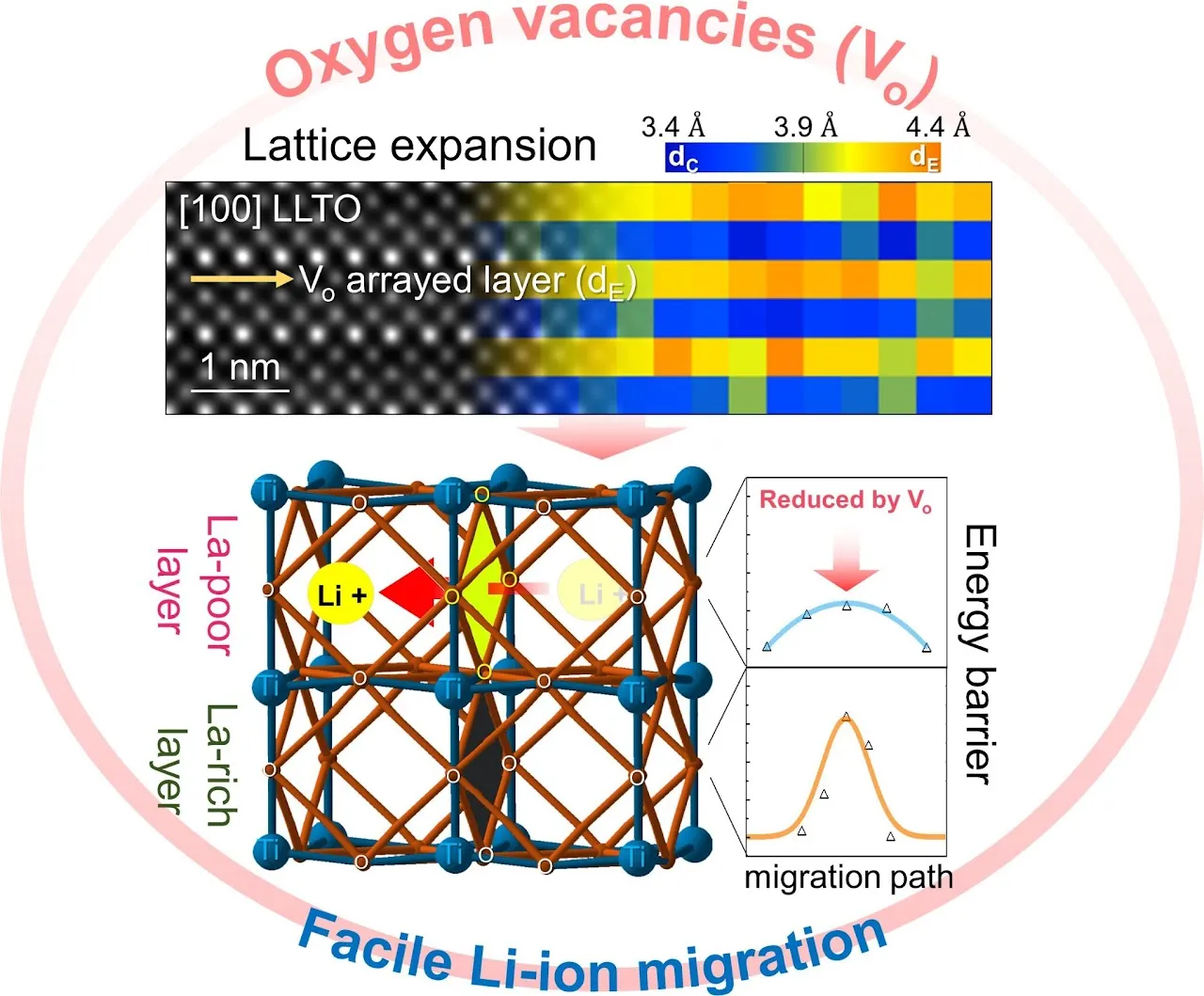
  • Revealing the role of oxygen vacancy in an oxide solid electrolyte

    The hidden role of the oxygen vacancy (VO) in facilitating Li-ion transport in lithium lanthanum titanate solid electrolytes was unveiled. The VO is directionally interconnected to form a 2D network parallel to the c-plane.

    ACS Energy Letters · 9(11), 5606-5615

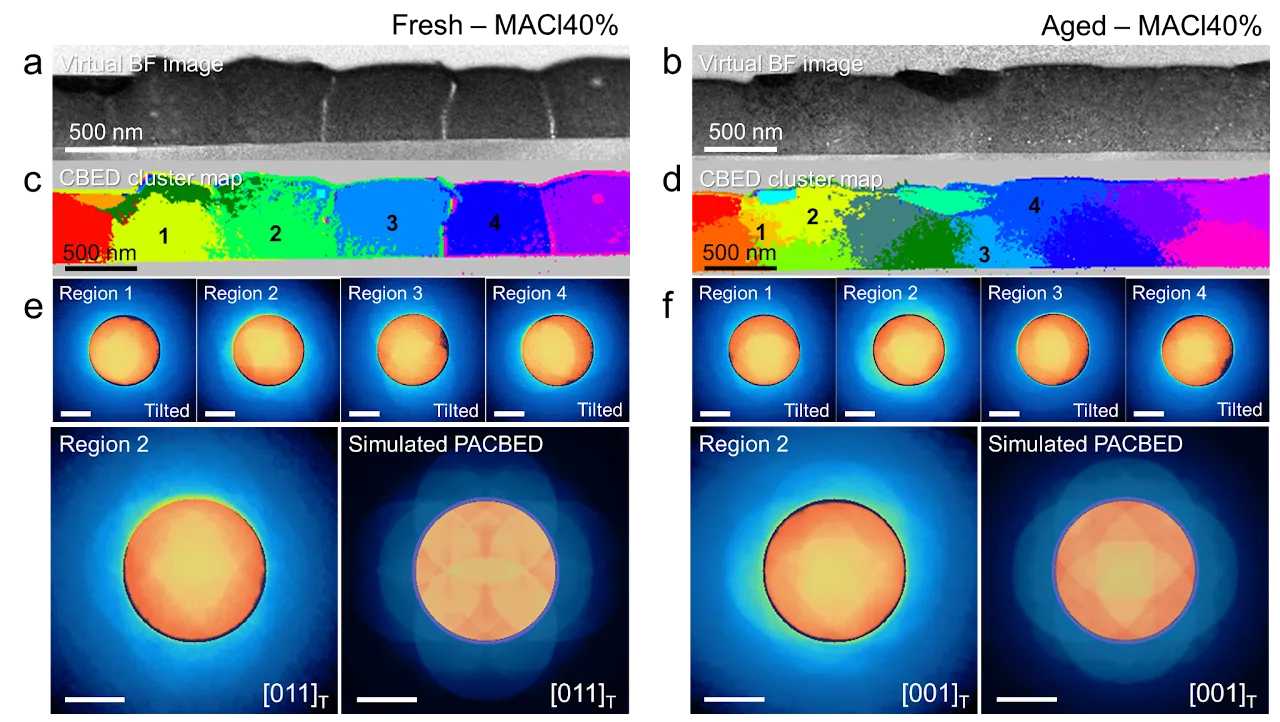
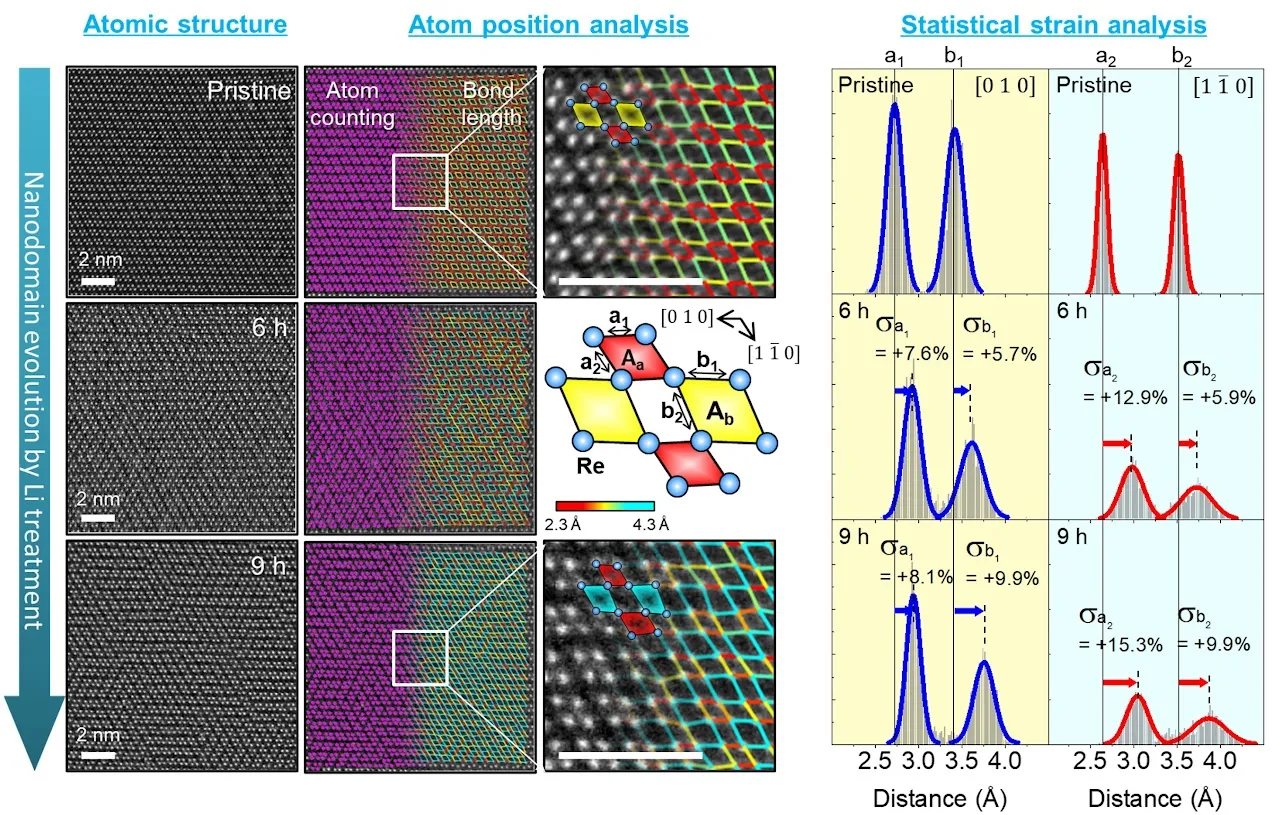
  • 4D STEM-based domain mapping for perovskite solar cells

    4D STEM-based crystallographic domain mapping unfolded the mystery of aging-induced efficiency improvement of perovskite solar cells, revealing that aging can induce partial lattice strain relaxation.

    ACS Energy Letters · 9(7), 3618-3627

2023

2022

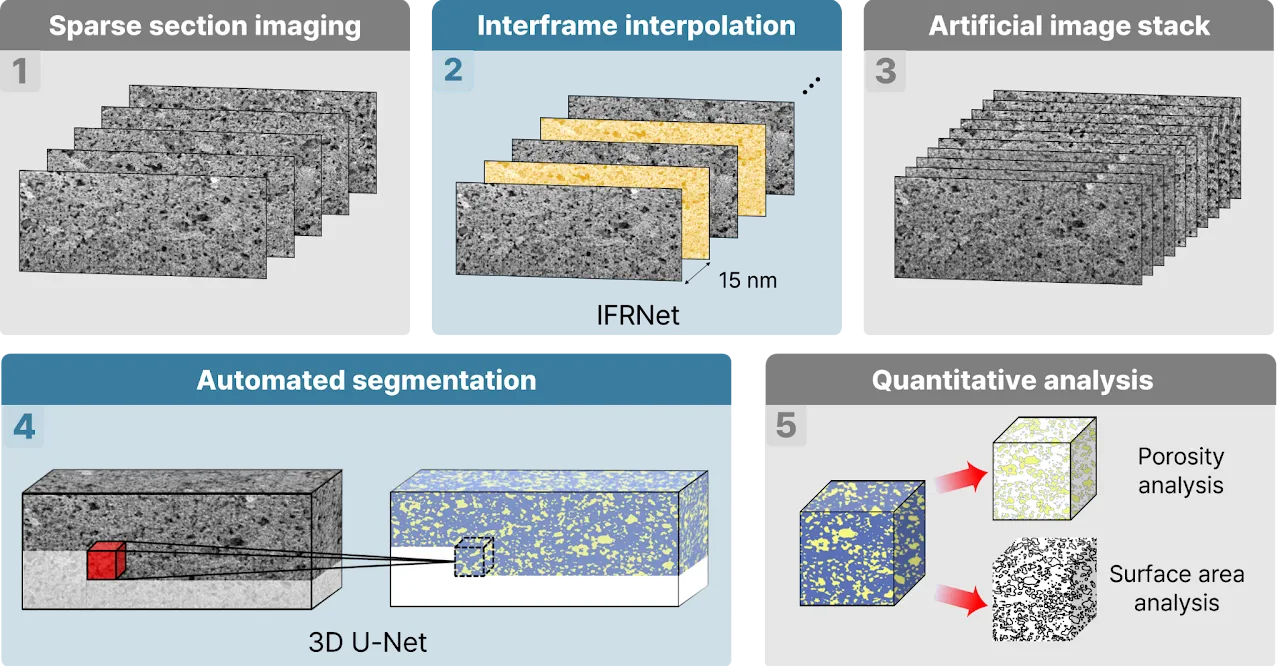
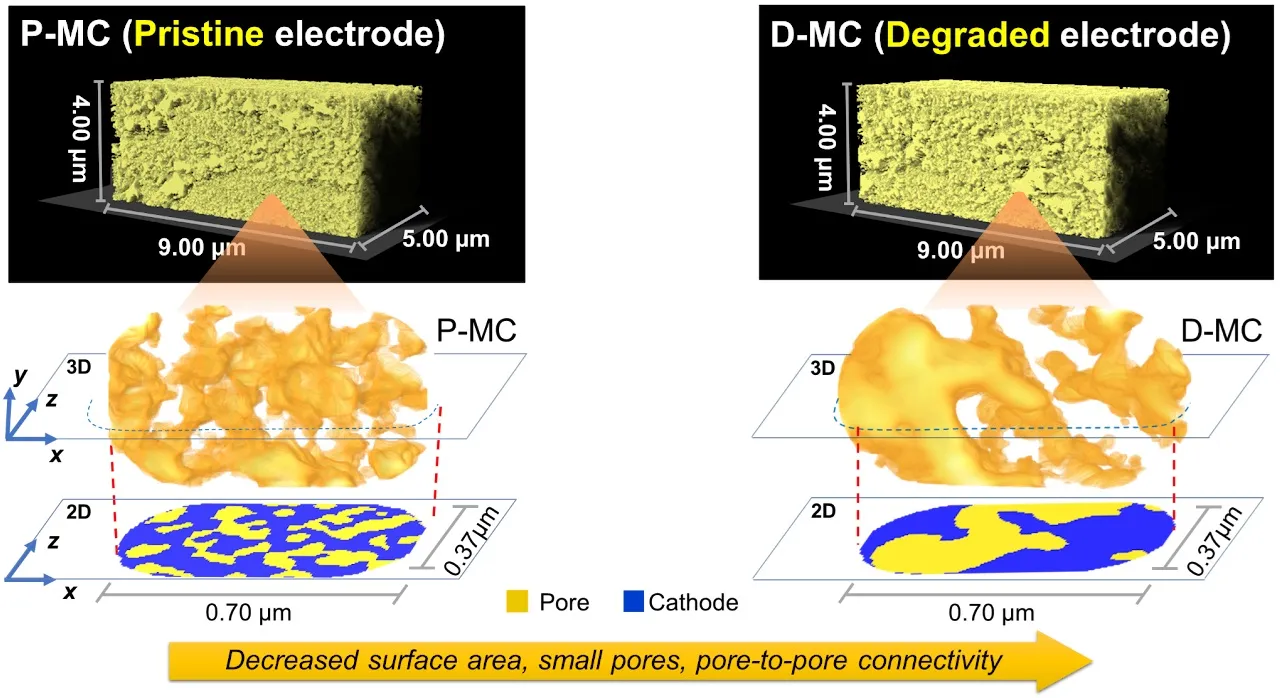
  • Segmented electron tomography for PEM-fuel cell analysis

    Advanced segmented electron tomography visualizes the 3D structure of carbon supports in proton exchange membrane fuel cells (PEM-FCs) and explains structural degradation phenomena.

    Journal of Energy Chemistry · 74, 359-367

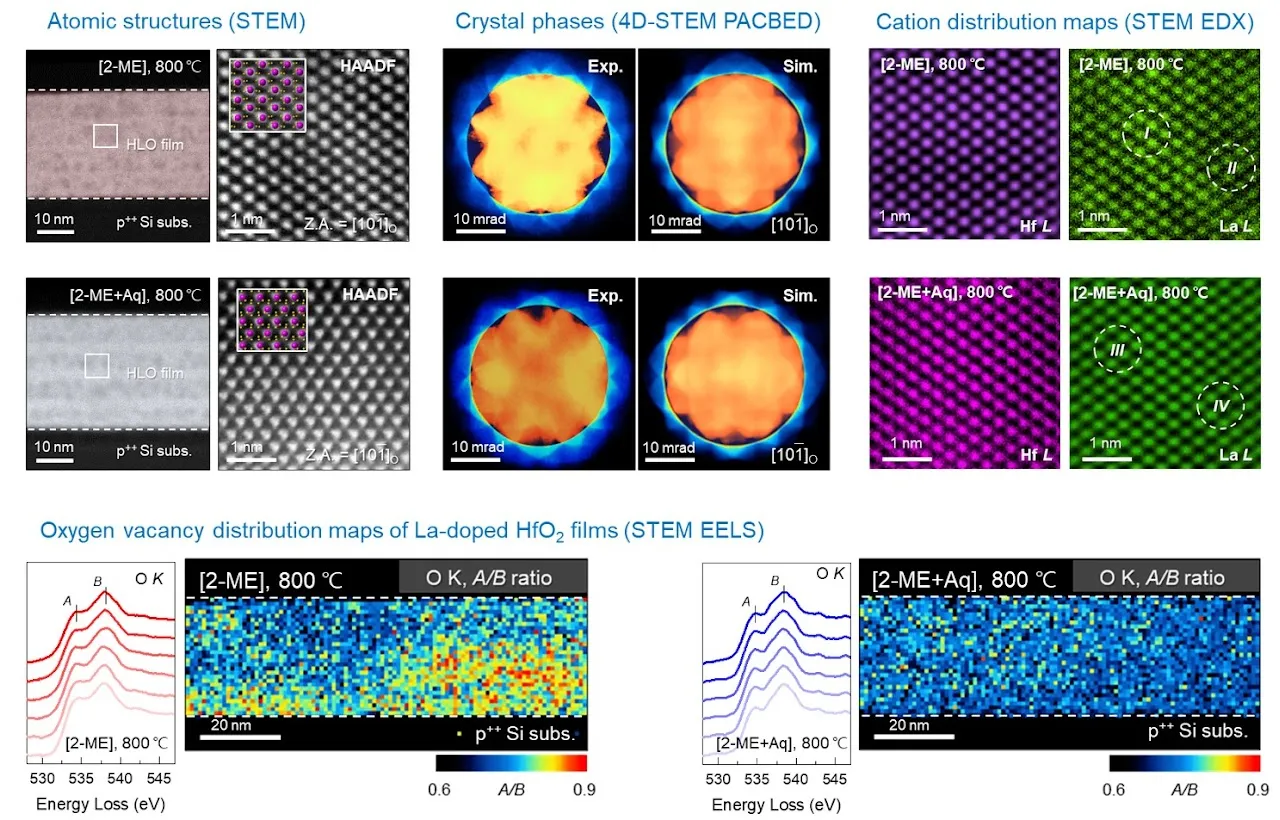
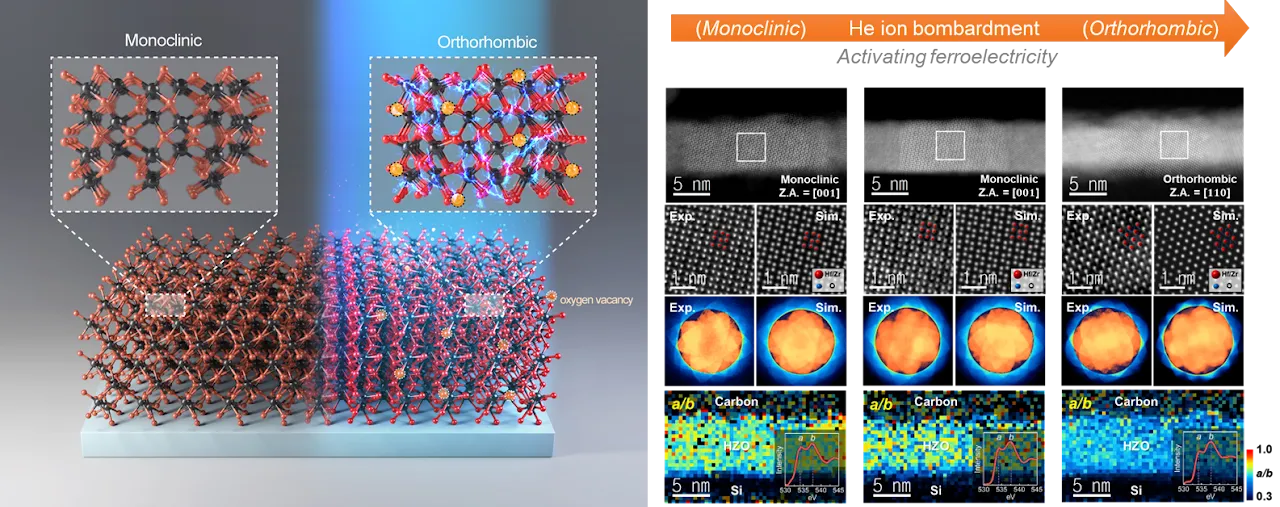
  • Mechanism for ion enhanced polarization in doped HfO2

    A multimodal investigation based on microscopy and spectroscopy showed that ferroelectric properties improve when films of hafnium oxide are bombarded with a beam of helium ions.

    Science · 376(6594), 731-738

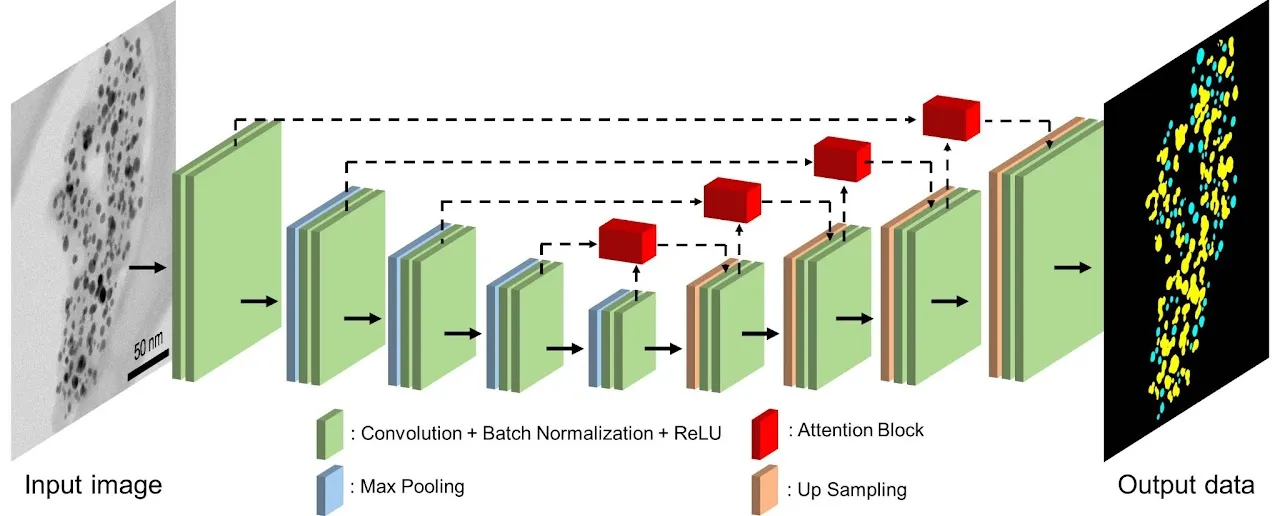
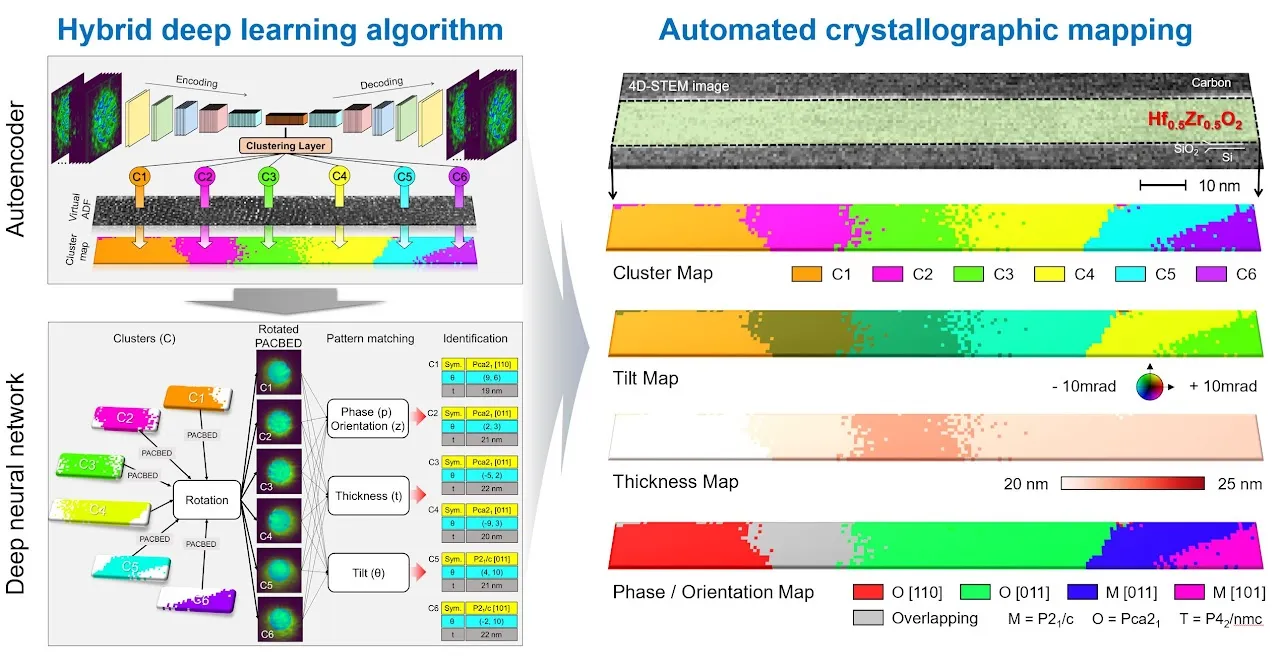
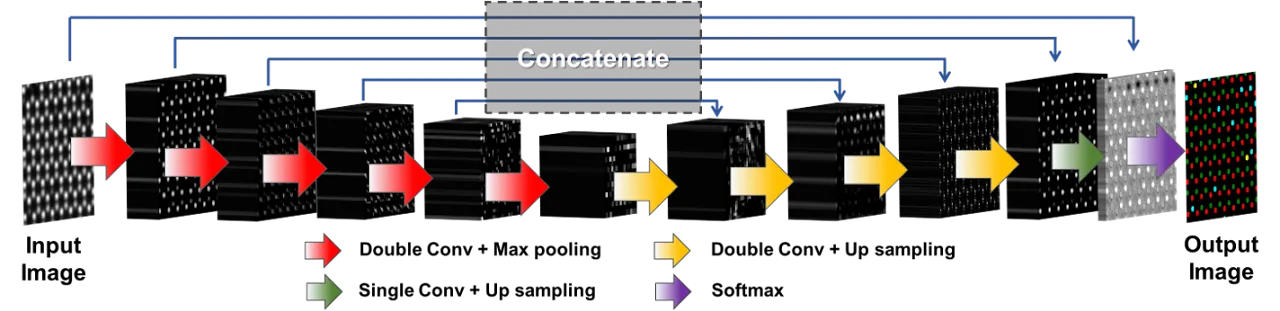
  • Hybrid deep learning crystallography with 4D-STEM

    Deep learning crystallographic analysis unequivocally addresses structure problems for sub-10 nm polycrystalline hafnium zirconium oxide thin films.

    Small · 18(18), 2107620

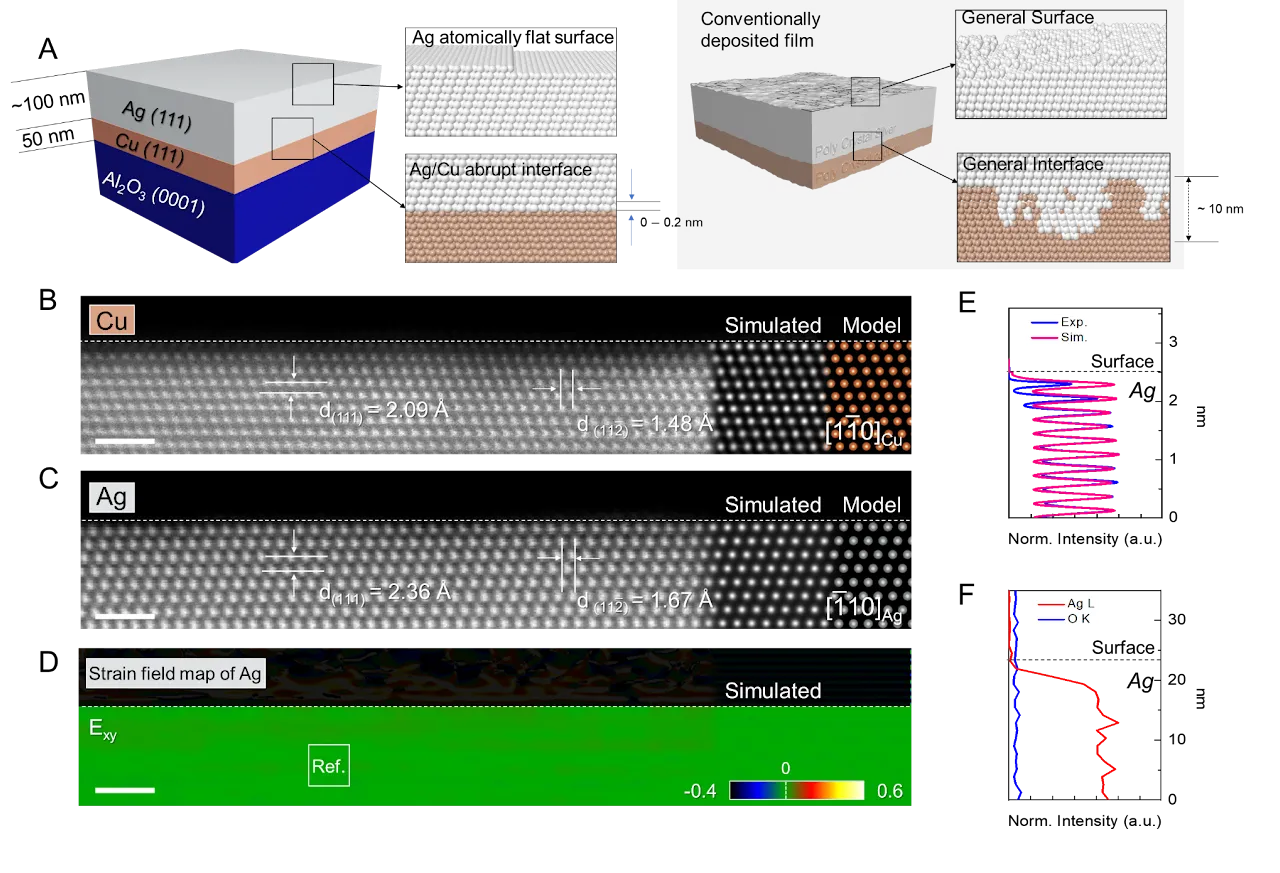
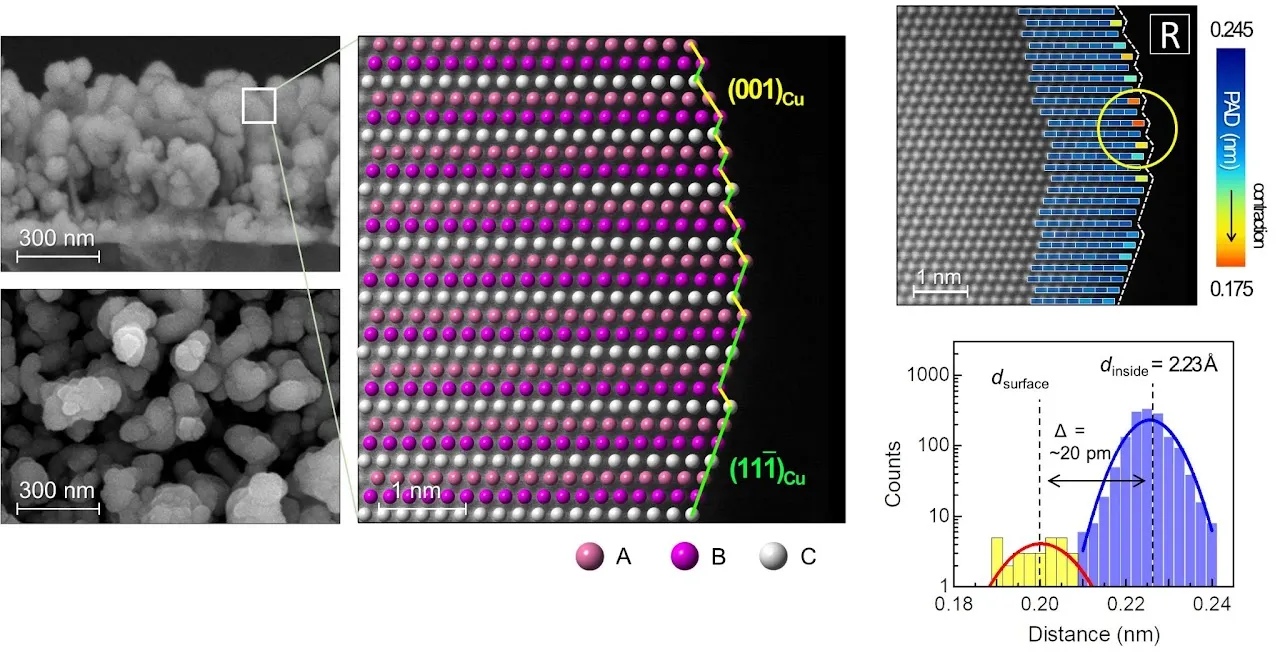
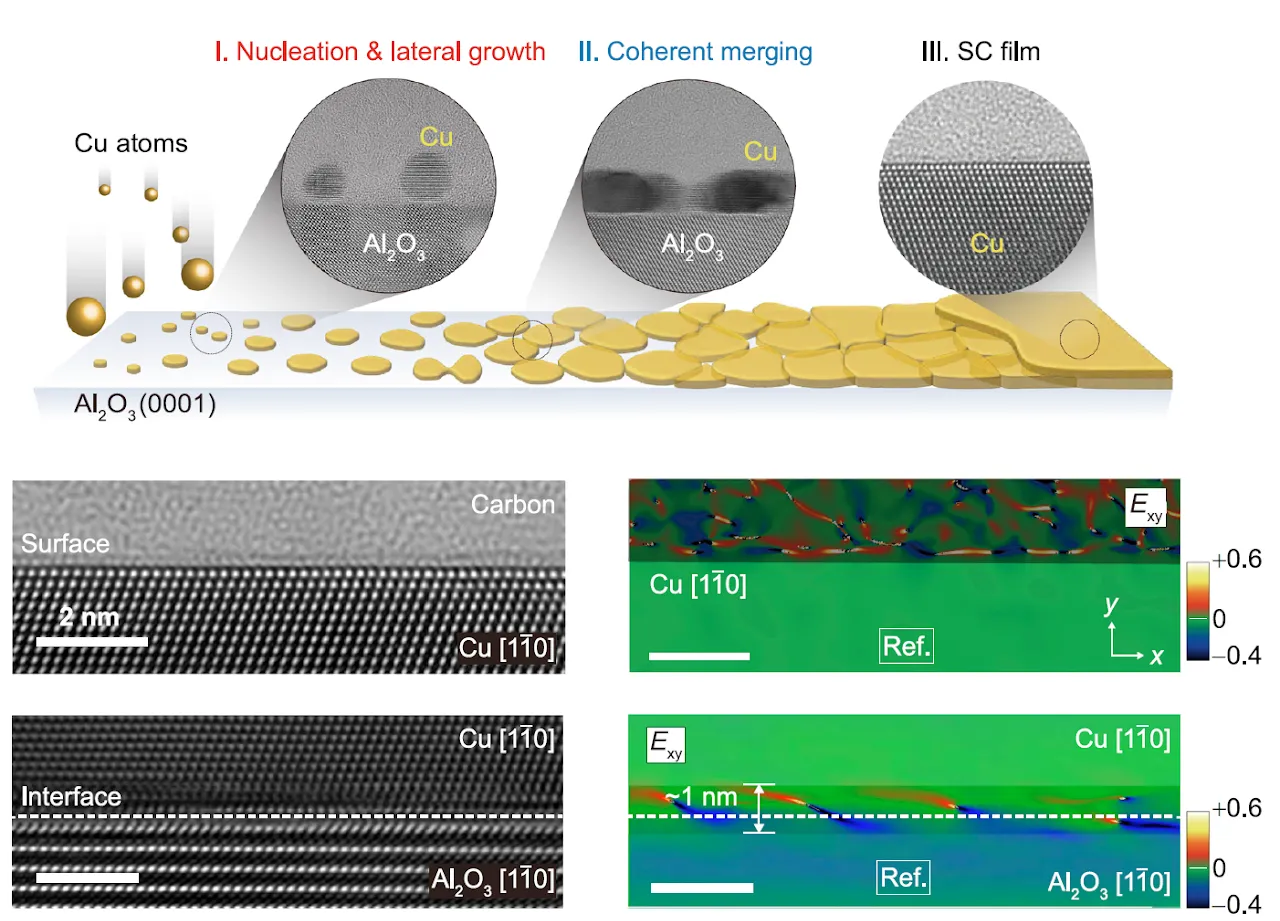
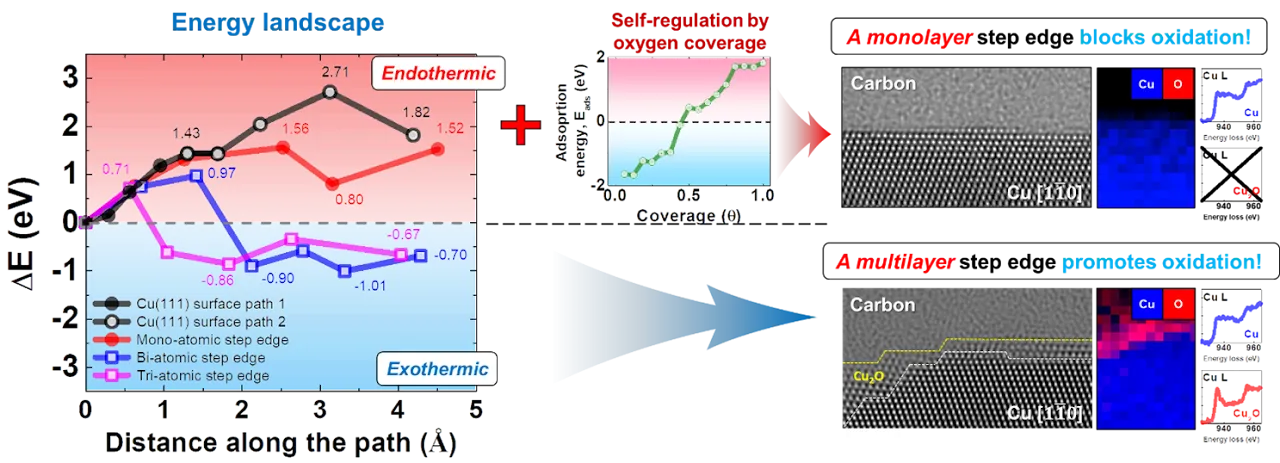
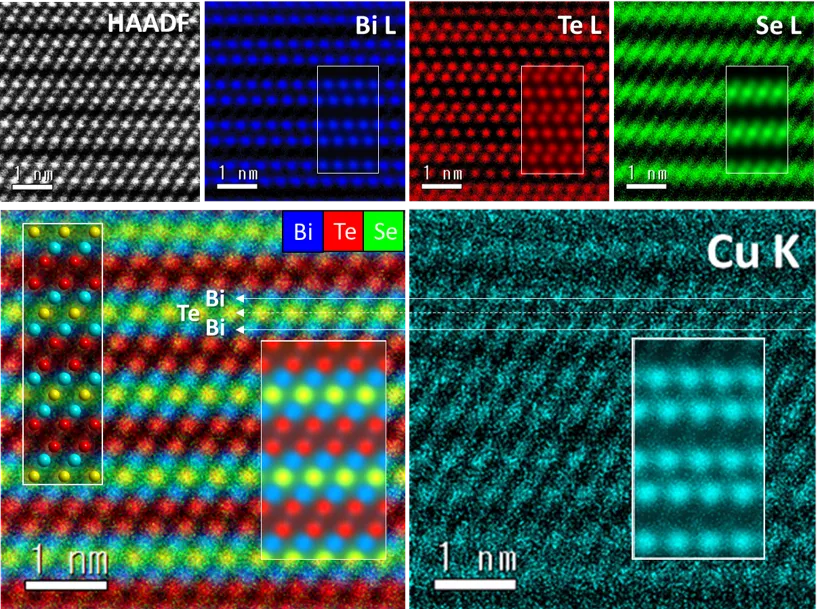
  • Superb oxidation resistance of Cu uncovered by electron microscopy

    Comprehensive atomic-resolution microscopy revealed that wafer-scale Cu(111) single-crystal thin films free of multilayer step edges show a semi-permanent oxidation resistance.

    Nature · 603(7901), 434-438

    2022 Top 10 Nanotechnology Research Excellence (Nanotechnology Research Council)
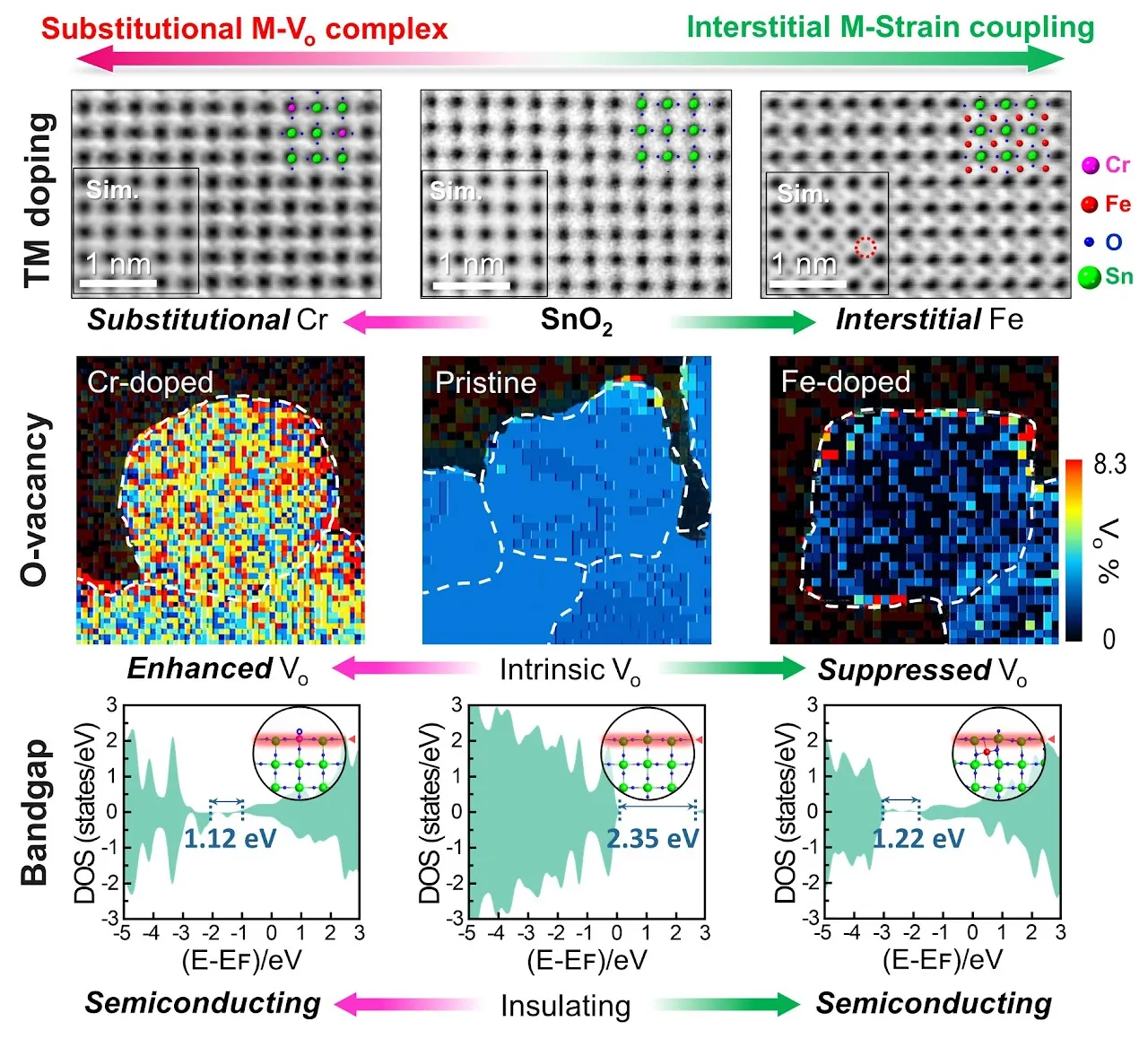
  • Unveiled doping mechanisms in oxide catalysts

    Electron microscopy and spectroscopy combined with theoretical modeling can directly resolve the site-specific doping phenomena of transition metals in SnO2 nanoparticles.

    Applied Catalysis B-Environmental · 305, 121083

2021

2020

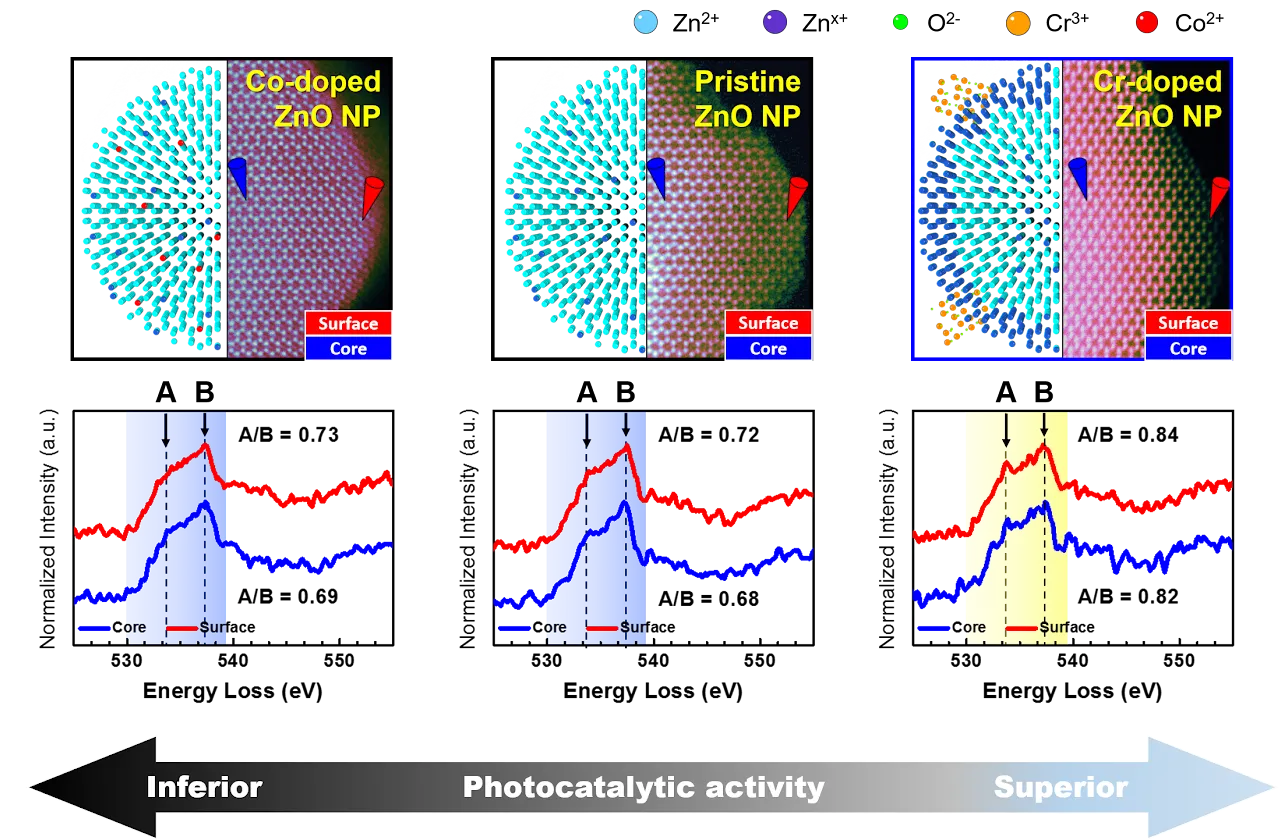
  • High-resolution STEM-EELS analysis of doped ZnO nanoparticles

    Atomic-scale STEM observations combined with site-specific electron energy loss spectroscopy revealed that two transition metal ions substitute for Zn, in different valence states (Cr3+ and Co2+).

    Journal of Materials Chemistry A · 8, 25345-25354

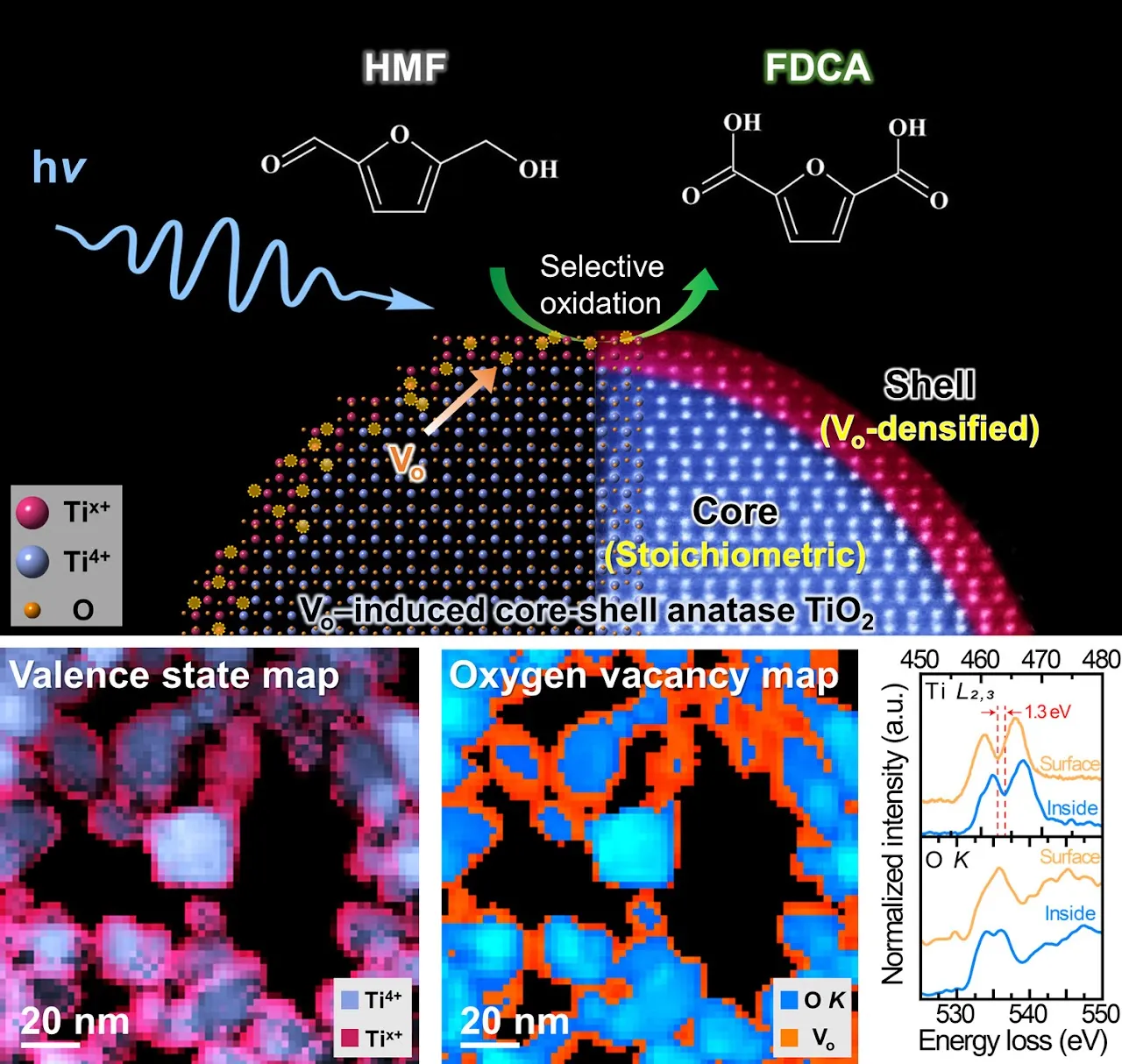
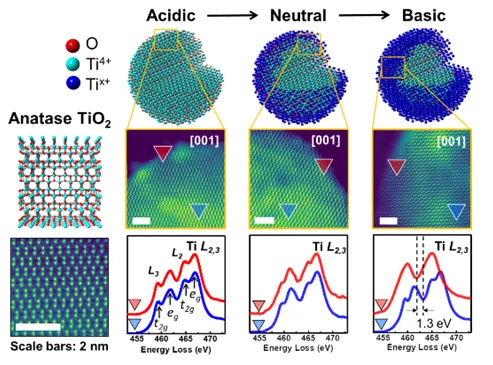
  • Atomic resolution analysis of nanoparticles by STEM-EELS/EDX

    STEM-EELS/EDX-based work revealed that surface oxygen vacancies in anatase-type Fe@TiO2 nanoparticles for superior photocatalytic activities can be readily controlled by simple pH treatment.

    Applied Surface Science · 507, 144916

2019

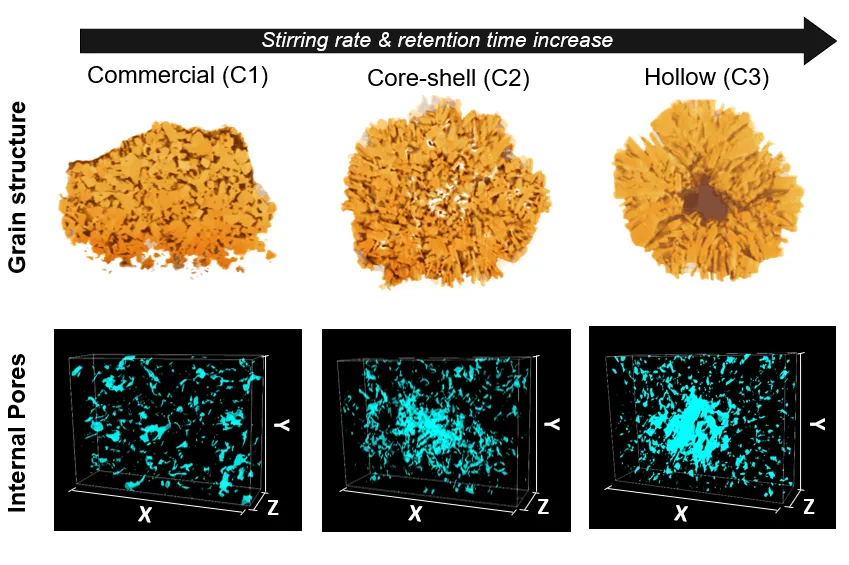
  • 3D electron tomography for Li ion batteries

    Demonstrates how the geometrical parameters of active cathode materials are inextricably linked to their battery performance, based on multimodal/multiscale characterizations.

    ACS Applied Materials & Interfaces · 11, 4017

2018

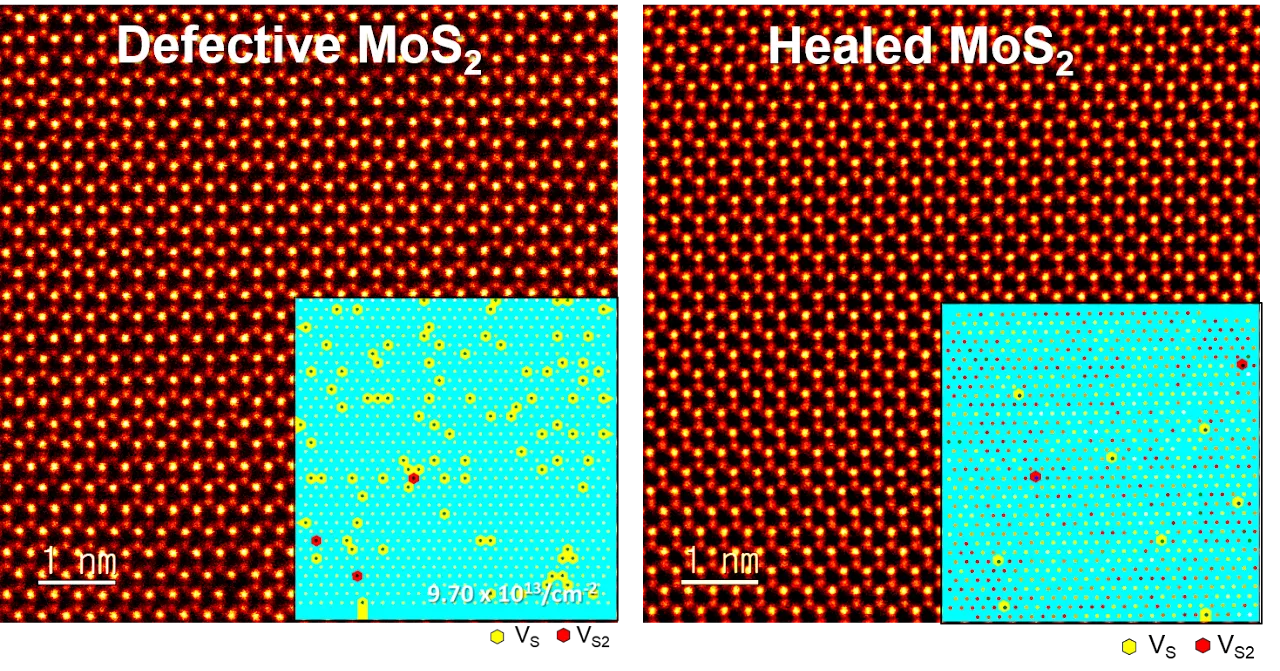
  • Atom counting analysis for 2D materials

    Investigates the hitherto unsolved conundrum of how organic chemicals can heal chalcogen vacancies in MoS2 monolayer at the atomic scale, observing chalcogen vacancy healing by an organic molecule.

    Nano Letters · 18(7), 4523

  • Oxygen octahedral tilt mapping for complex oxide thin films

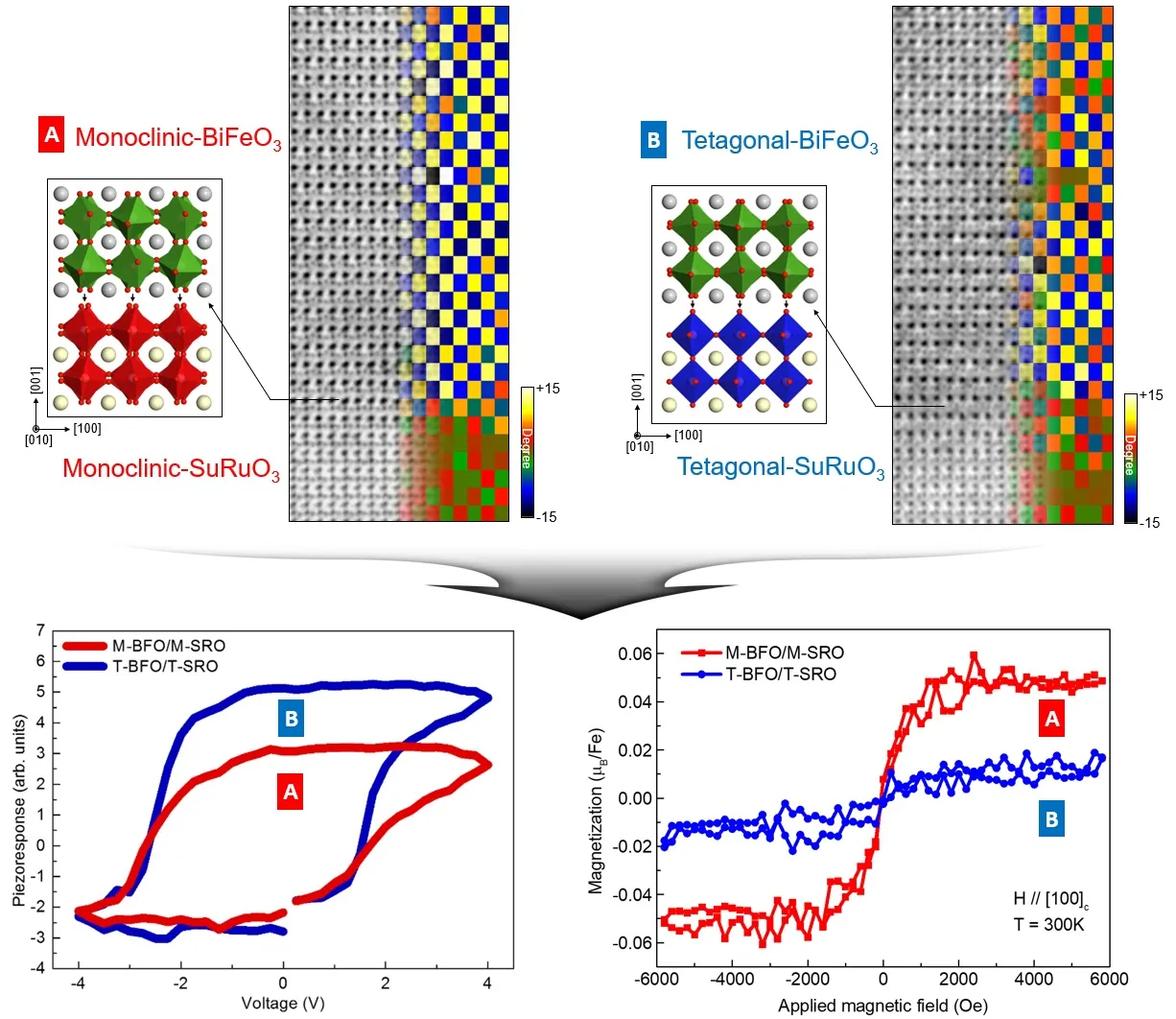
    Provides the first demonstration of octahedra-derived multiferroic properties that can be stabilized in a thin film form without the help of complex chemical modifications.

    Advanced Functional Materials · 19, 1800839

  • Valence state mapping for Li ion batteries

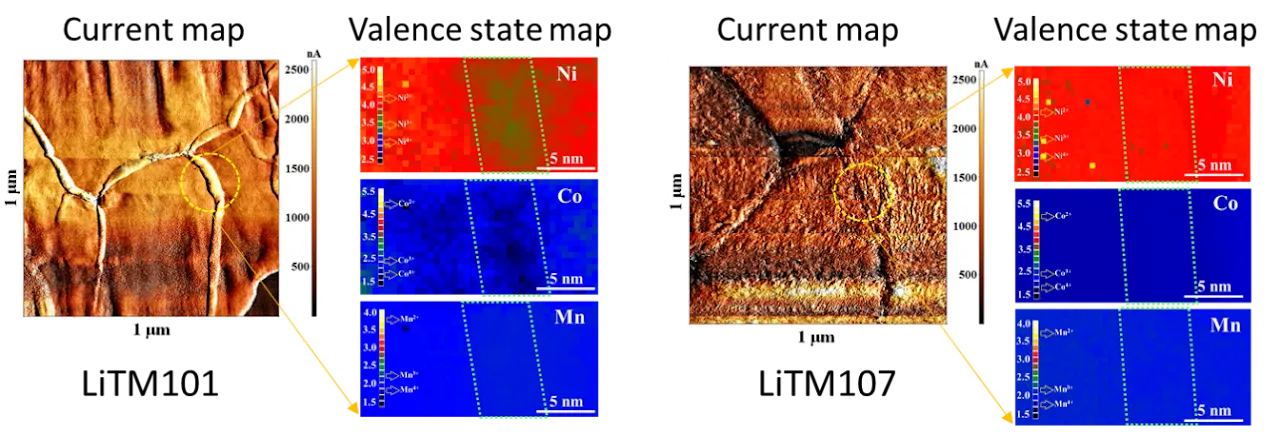
    Using atom-resolved STEM-EDX/EELS, this study reveals that the electrochemical properties of Li(NixCoyMnz)O2 (NCM) materials are decisively determined by the interplay of combined cation disordering.

    Journal of Materials Chemistry A · 6, 16111

2017

  • Atomic-resolution chemical mapping for energy materials

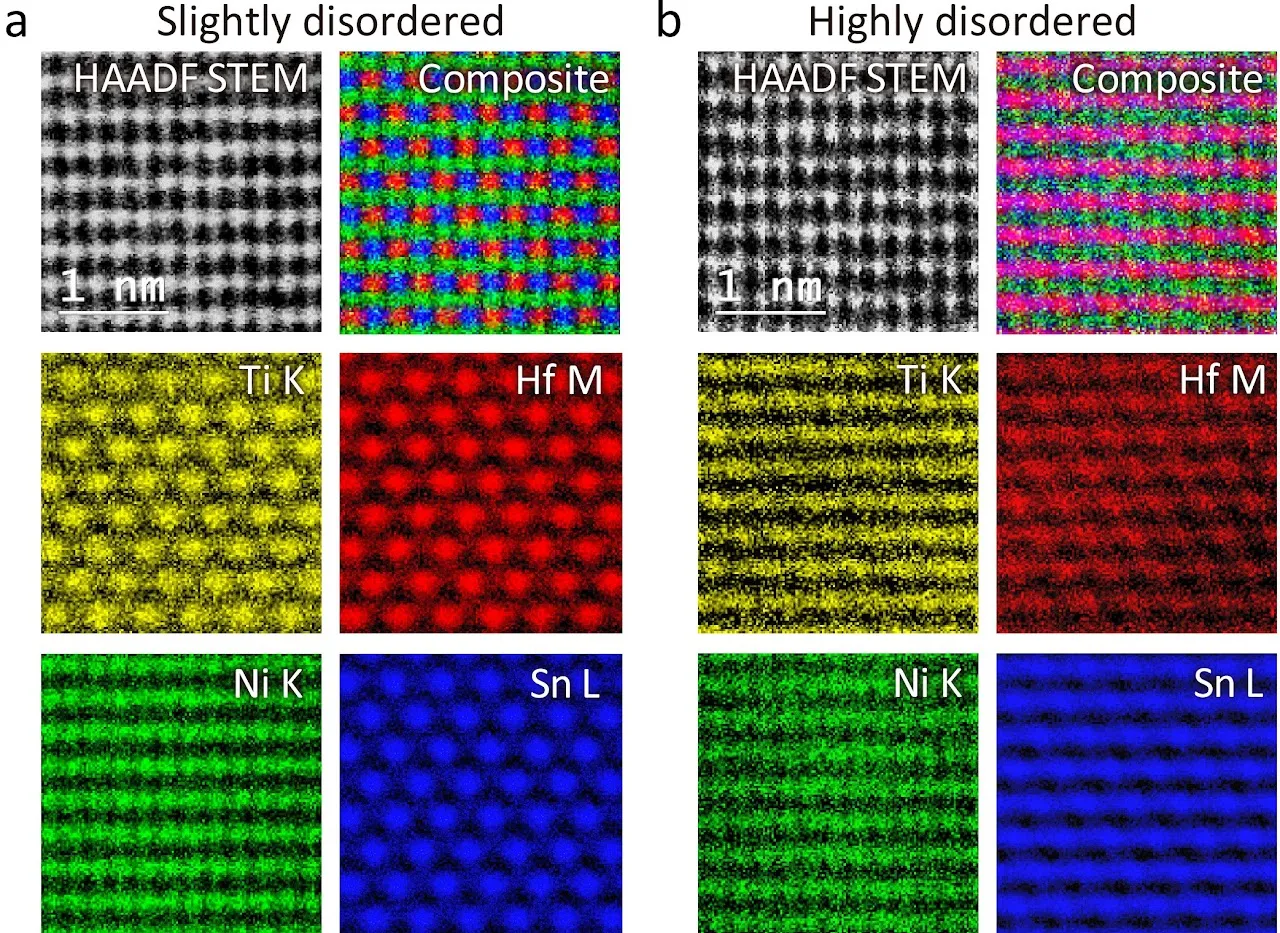
    Atomic-resolution STEM-EDX chemical mapping was conducted for the direct visualization of atomic-scale interstitial and antisite defects in complete single-phase Ti1-xHfxNiSn1-ySby half-Heusler (HH) thermoelectric alloys.

    Advanced Materials · 29, 1702091

2014

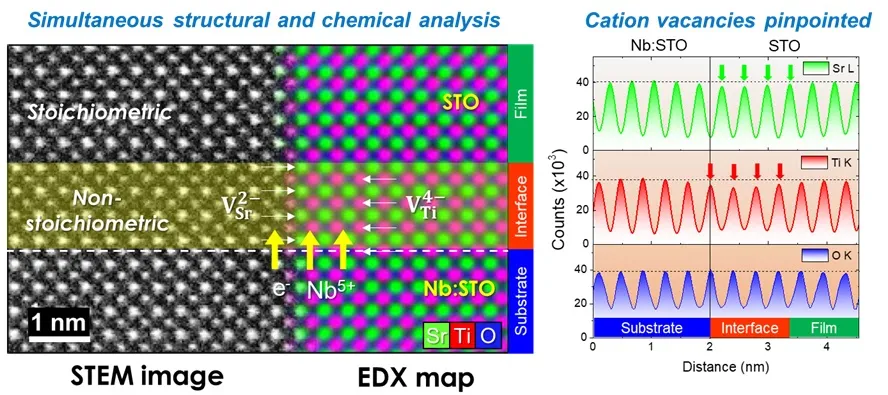
  • Polarization mapping for ferroelectric materials

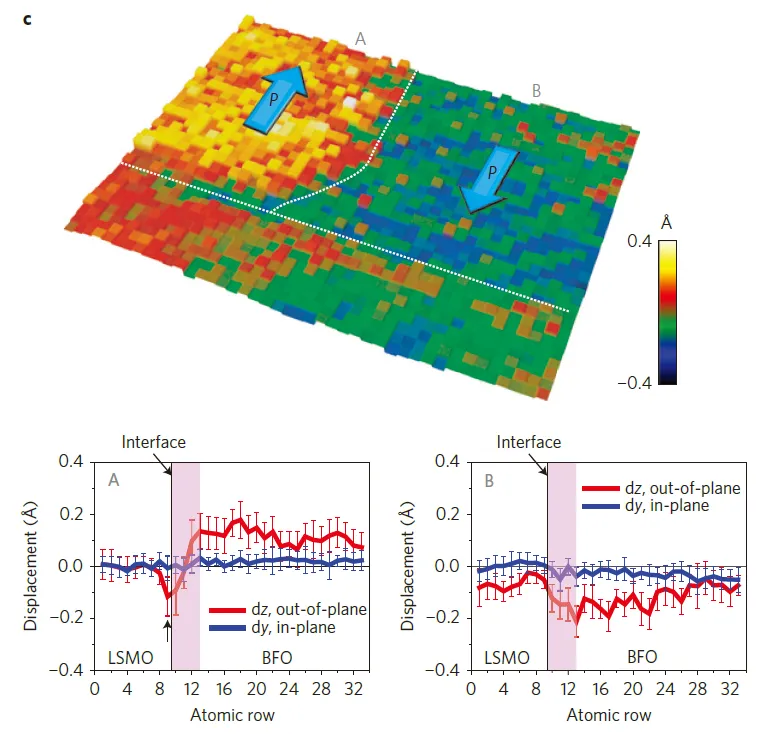
    By a combination of microscopy and spectroscopy techniques, we directly observed for the first time the field effect in a ferroelectric material that exhibits switchable electrical polarization at the ferroelectric–electrode interface.

    Nature Materials · 13, 1019

2012

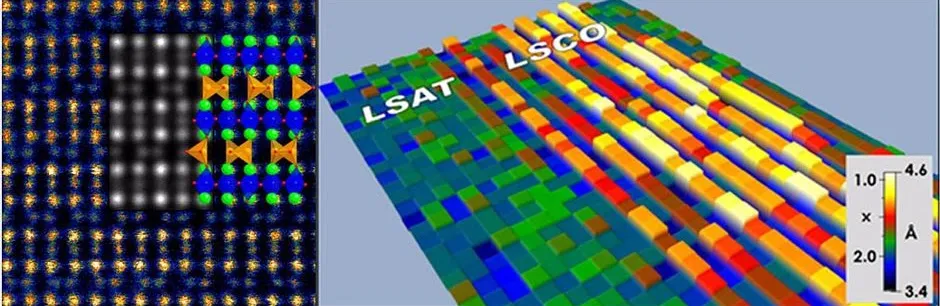
  • Oxygen vacancy mapping for solid oxide fuel cell cathode materials

    Local oxygen stoichiometry in functional oxides has been a long-standing challenge. The method developed in this work quantifies oxygen vacancy distribution and homogeneity, which directly control the operation of solid-oxide fuel cells.

    Nature Materials · 11, 888